 Reddy2Help
24 November 2026
Voice tools can make technology education more accessible
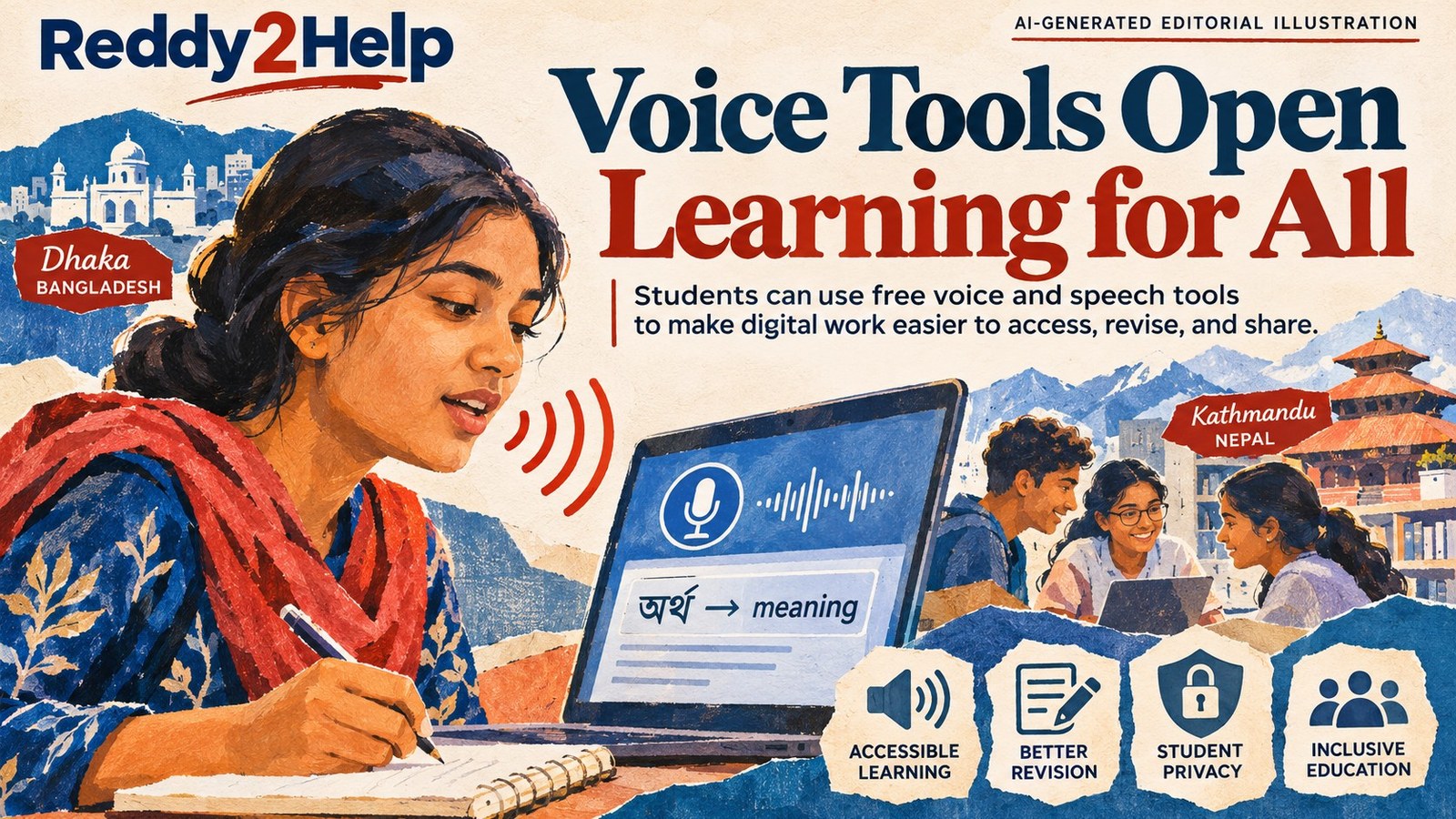
Students can use free voice and speech tools to make digital work easier to access, revise, and share.
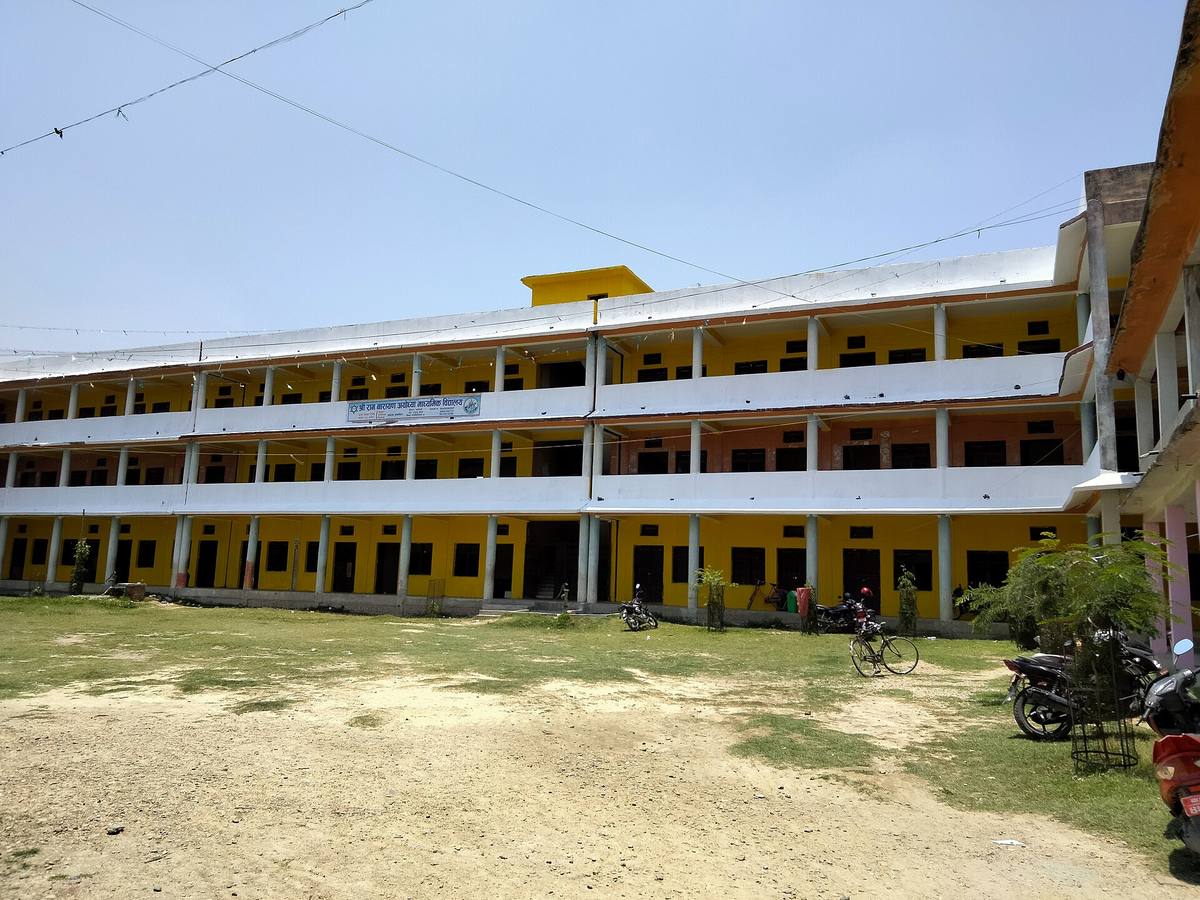
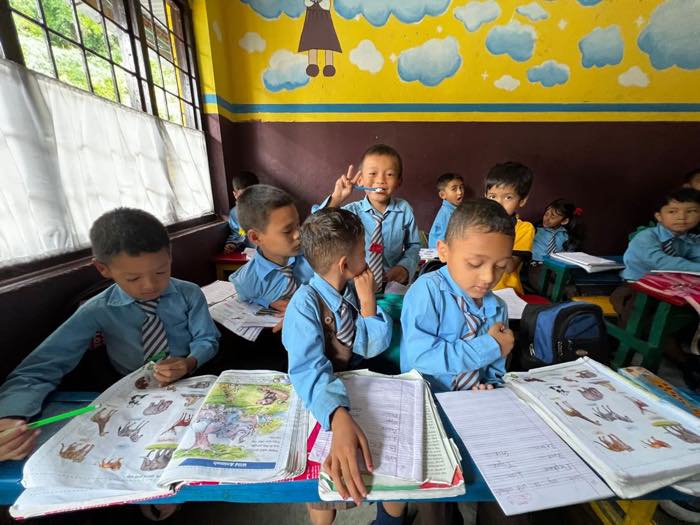
Twice a week from Kathmandu: what changed at the Asha school, what it cost, and what is needed next.
Students can use free voice and speech tools to make digital work easier to access, revise, and share.
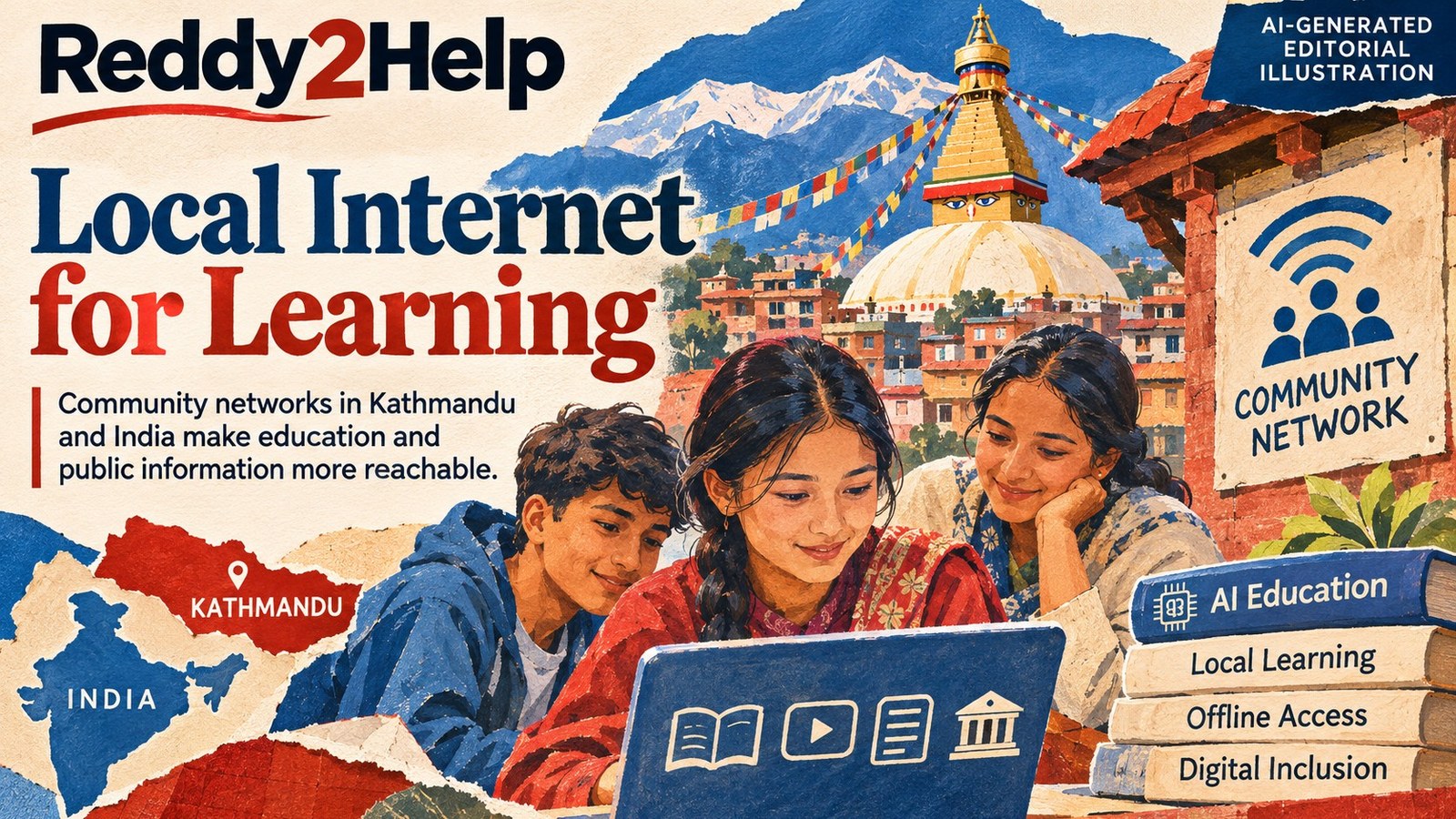
Locally managed networks can make online learning and public information more reachable where commercial internet is unreliable or unaffordable.
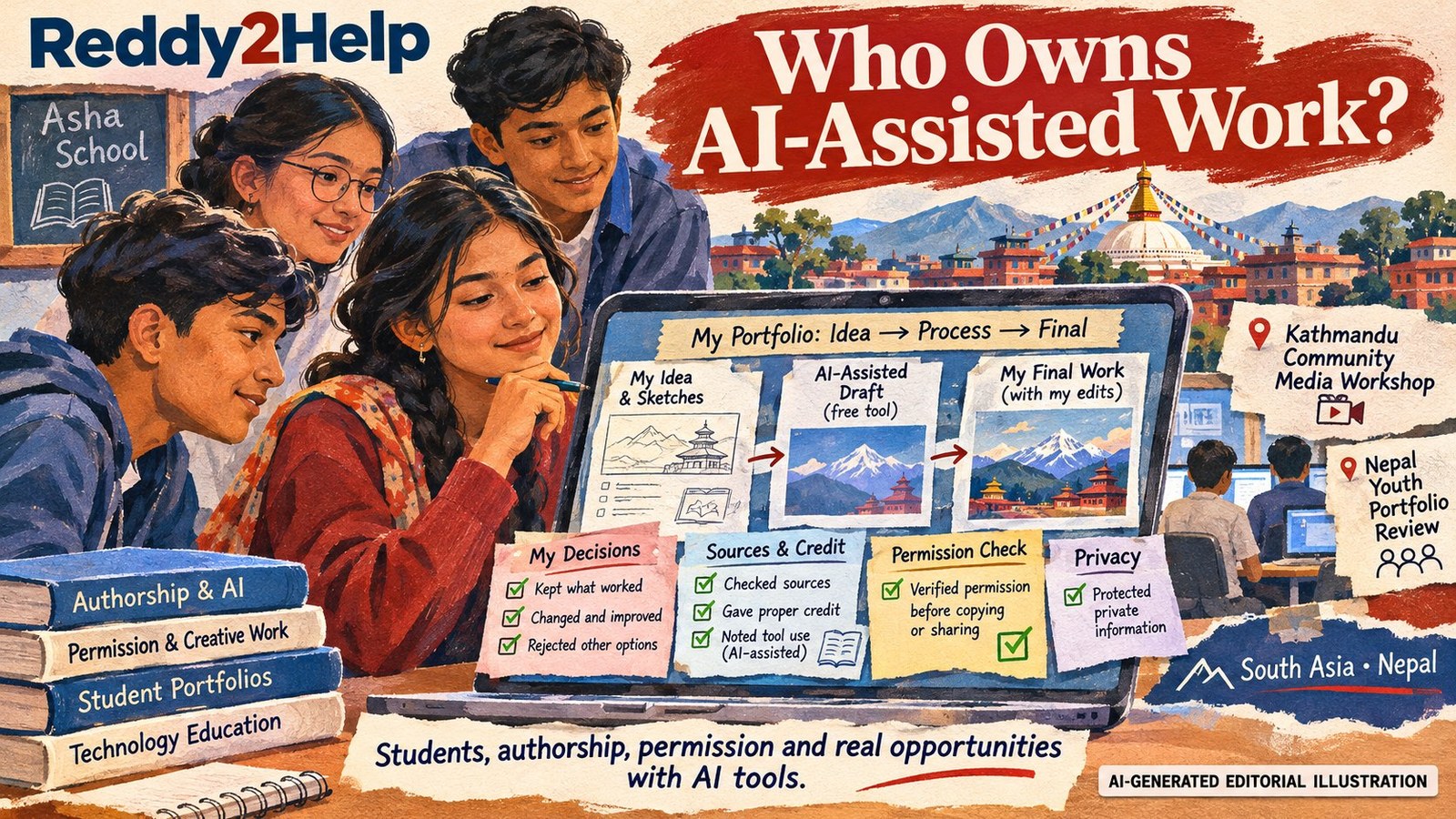
AI education should teach students how authorship, permission and credit work when a free tool helps create something.
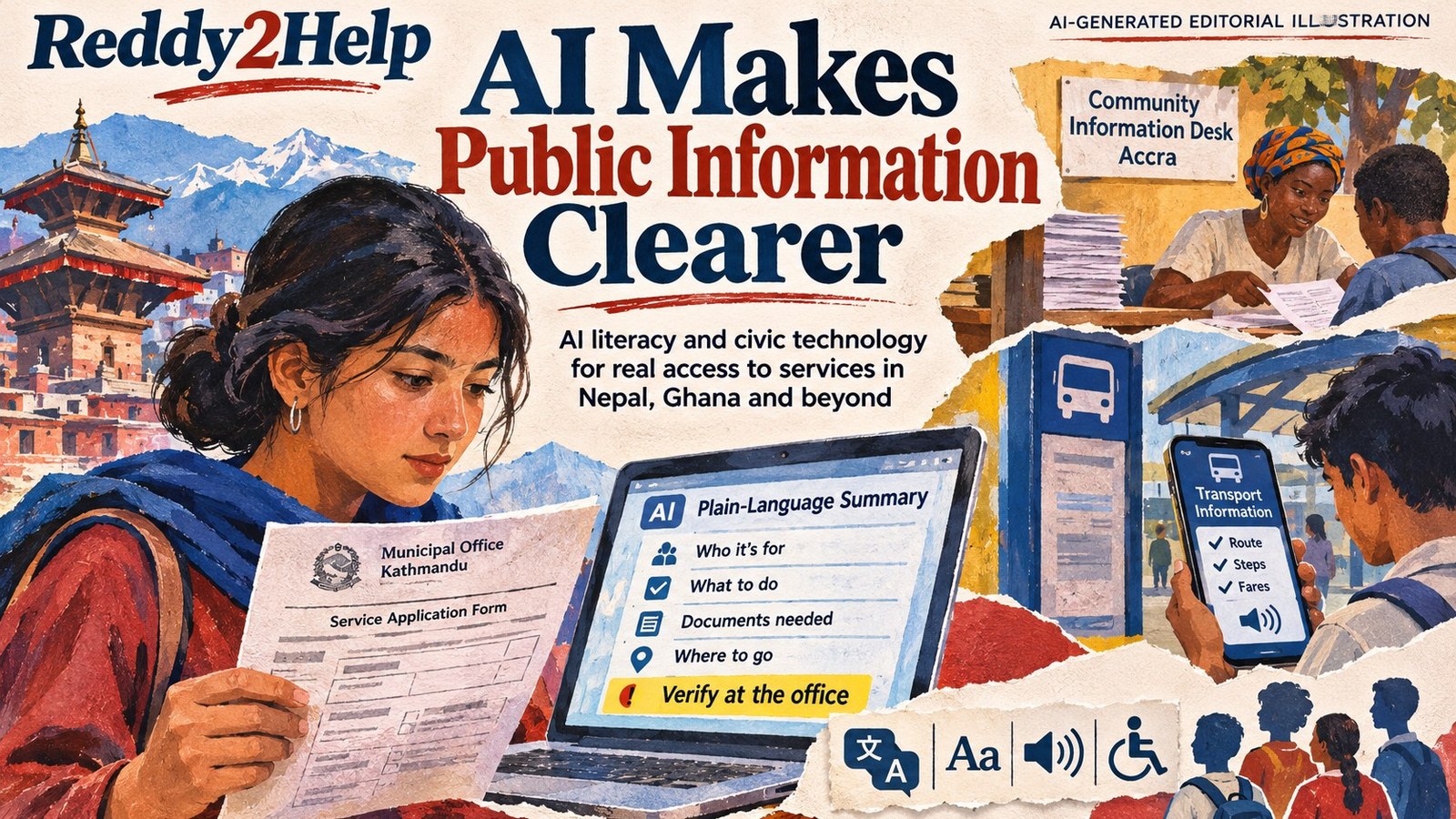
AI education should include the practical skill of turning confusing public information into clear, checkable guidance without pretending the tool is an authority.
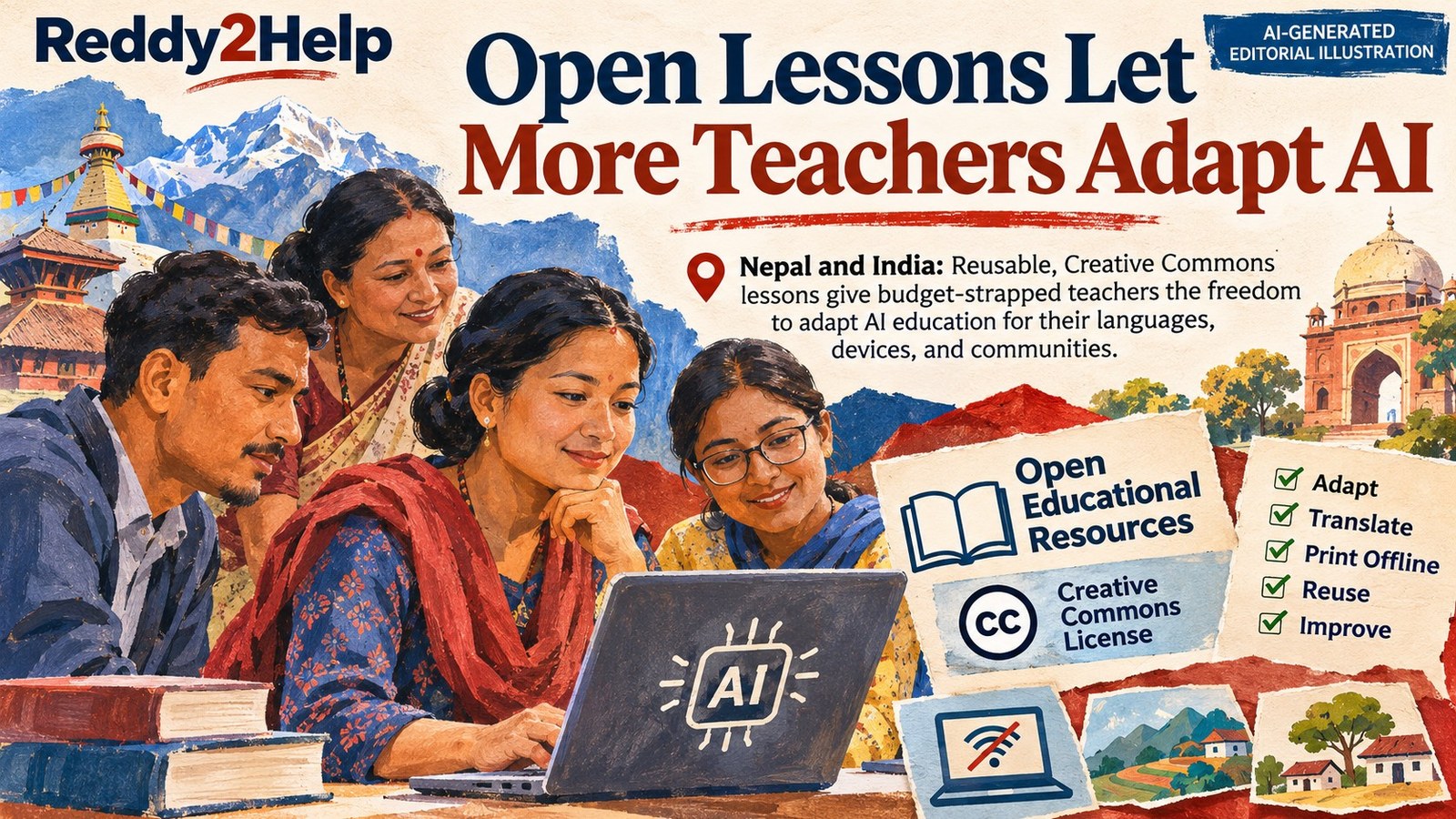
When AI teaching materials can be reused and changed legally, educators with limited budgets can build lessons for their own languages, devices, and communities.
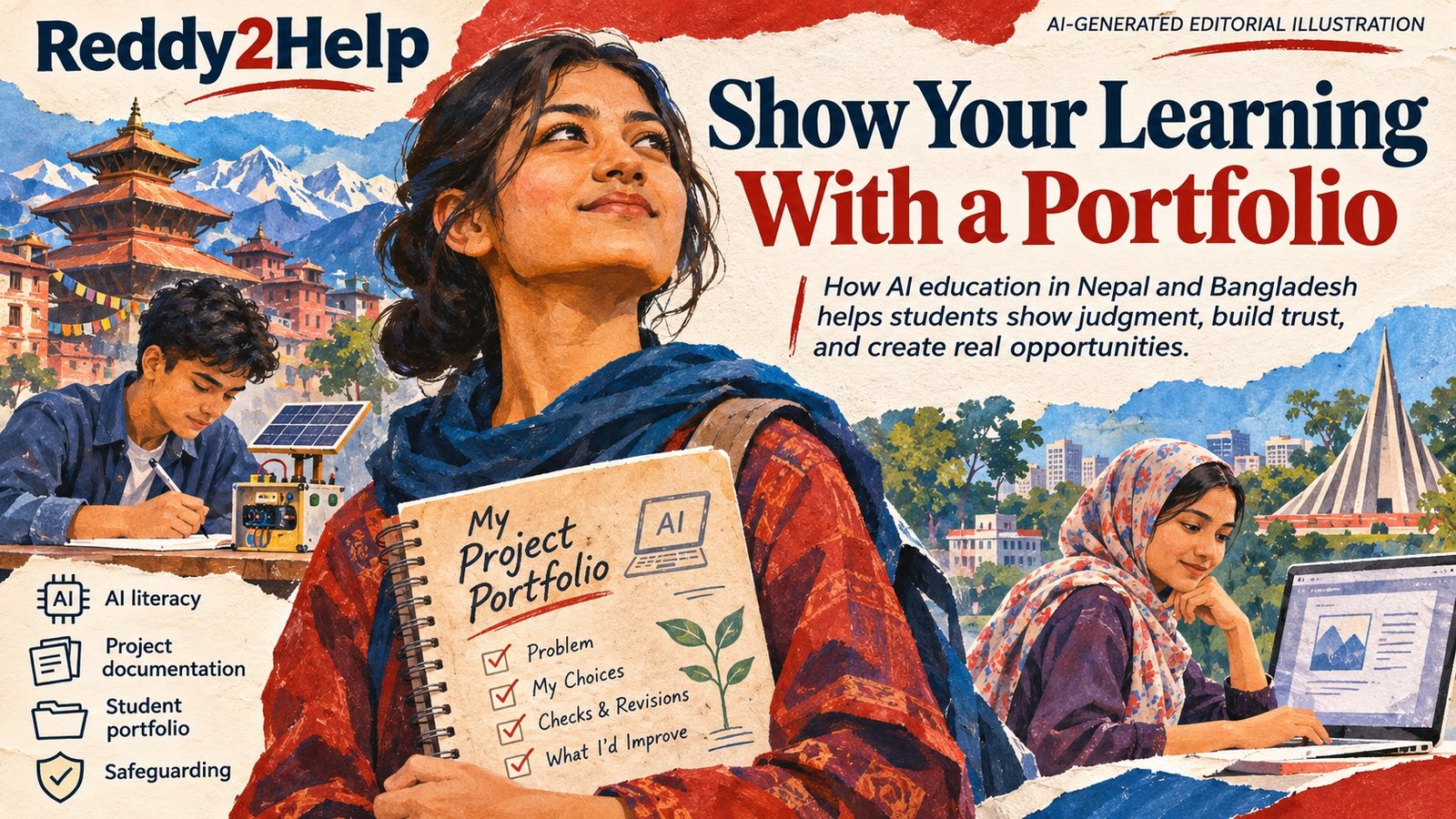
AI education becomes more useful when students leave with a small, understandable portfolio that shows their judgment as well as their technical skills.
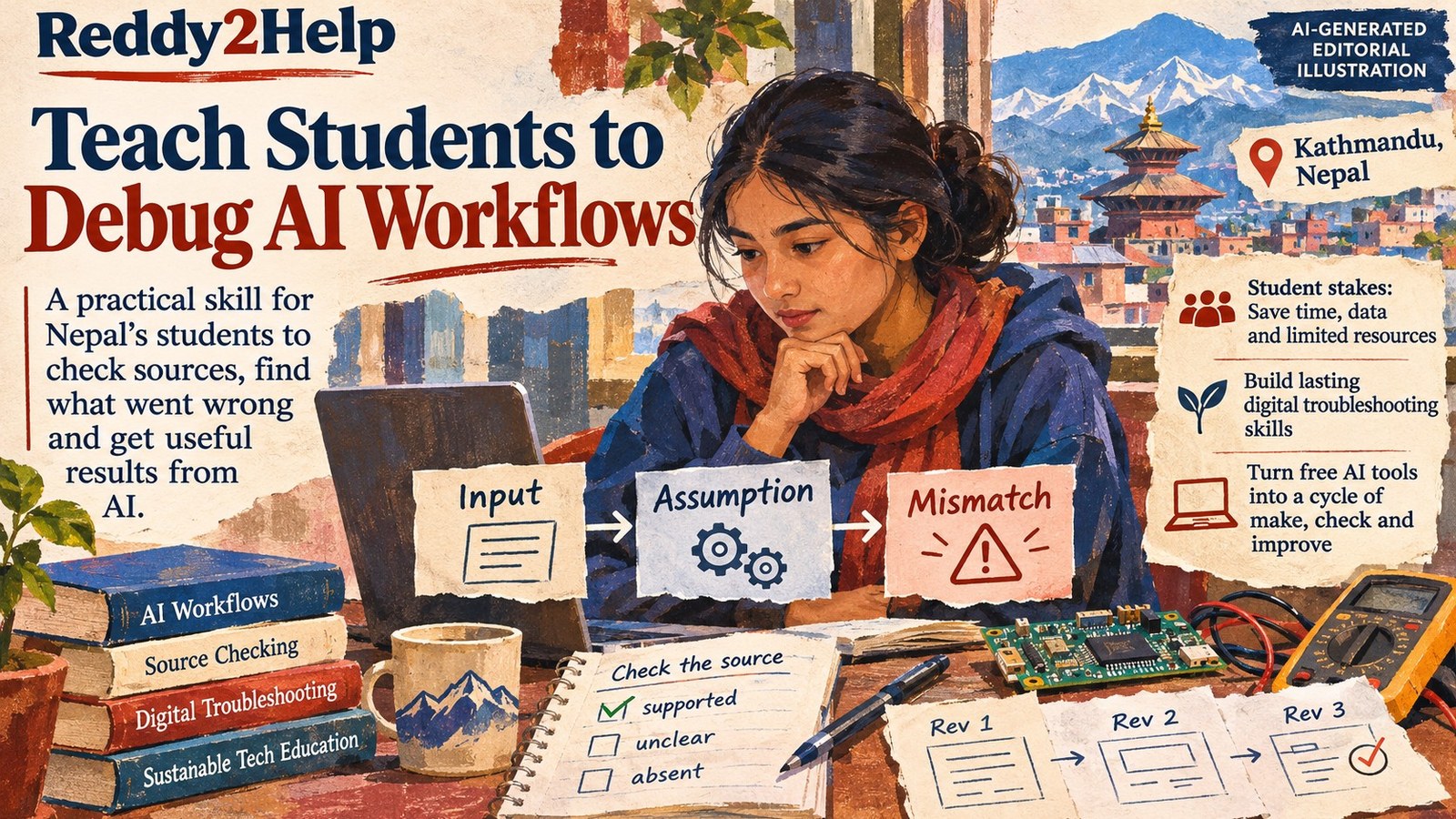
AI becomes more useful when students learn to find where a task went wrong instead of treating every bad result as a mystery.
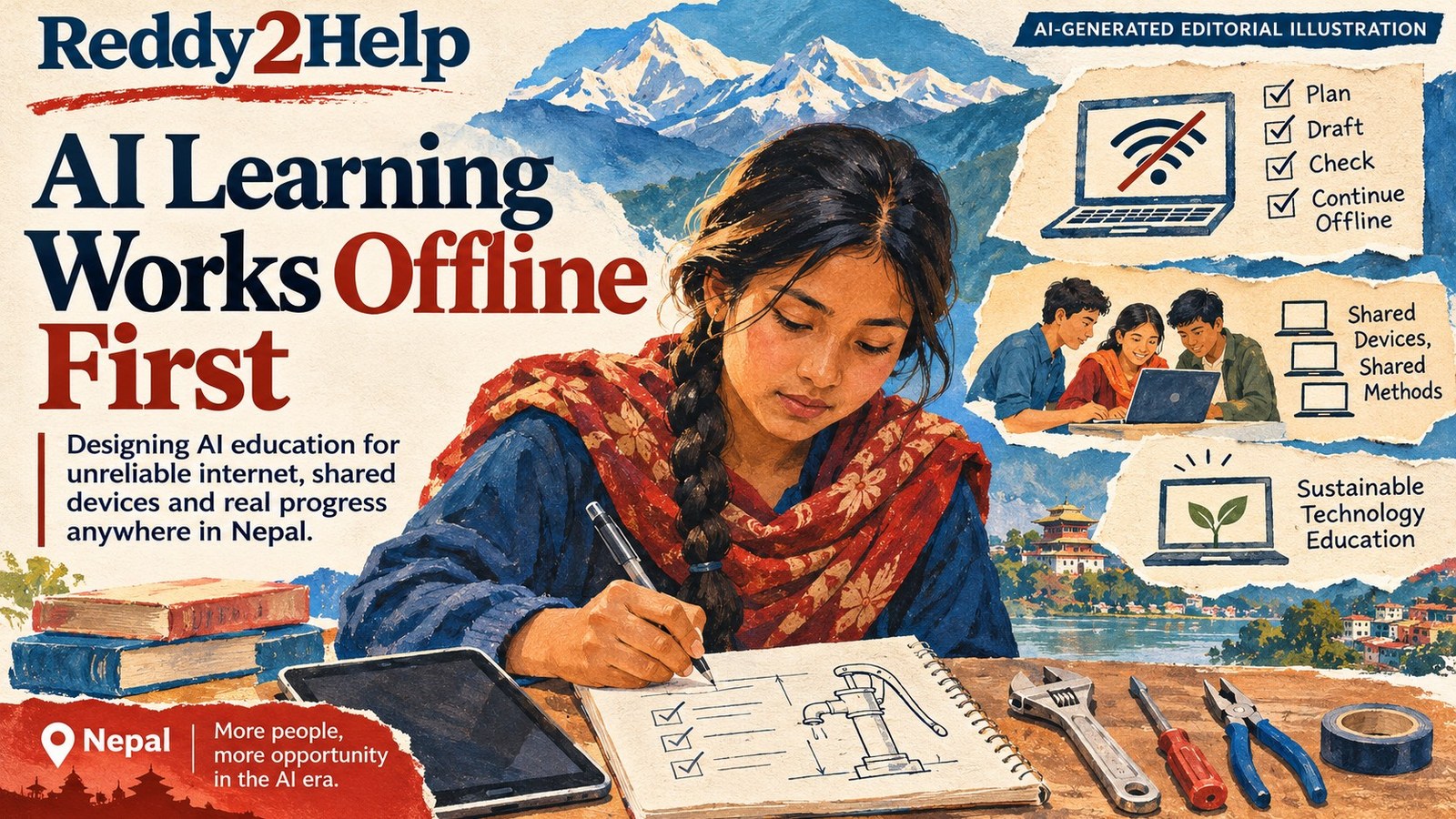
AI education reaches more people when lessons are designed for unreliable connections, shared devices and work that can continue offline.
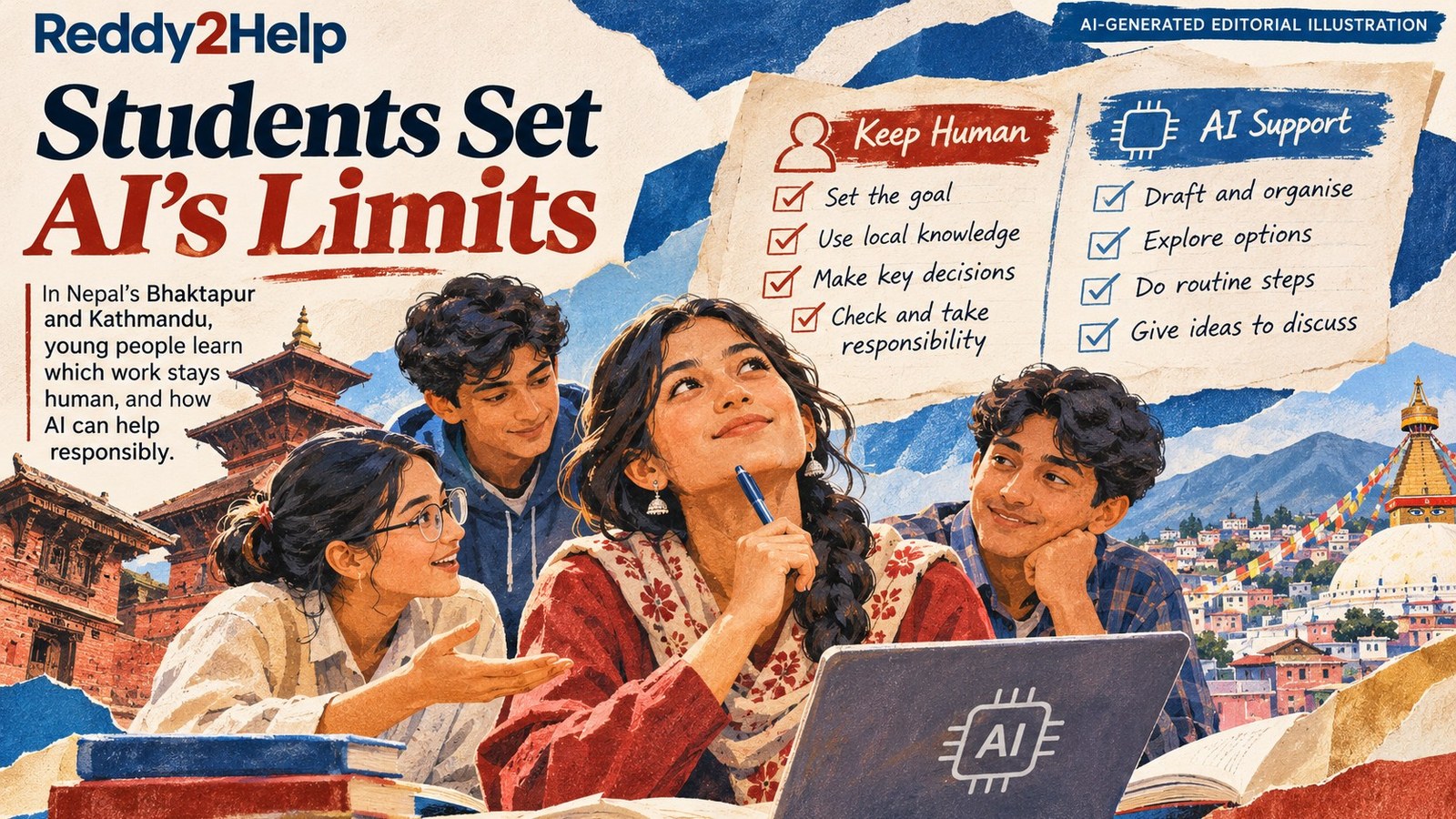
AI education is stronger when students learn to choose which parts of a task belong to a person and which parts a tool can support.
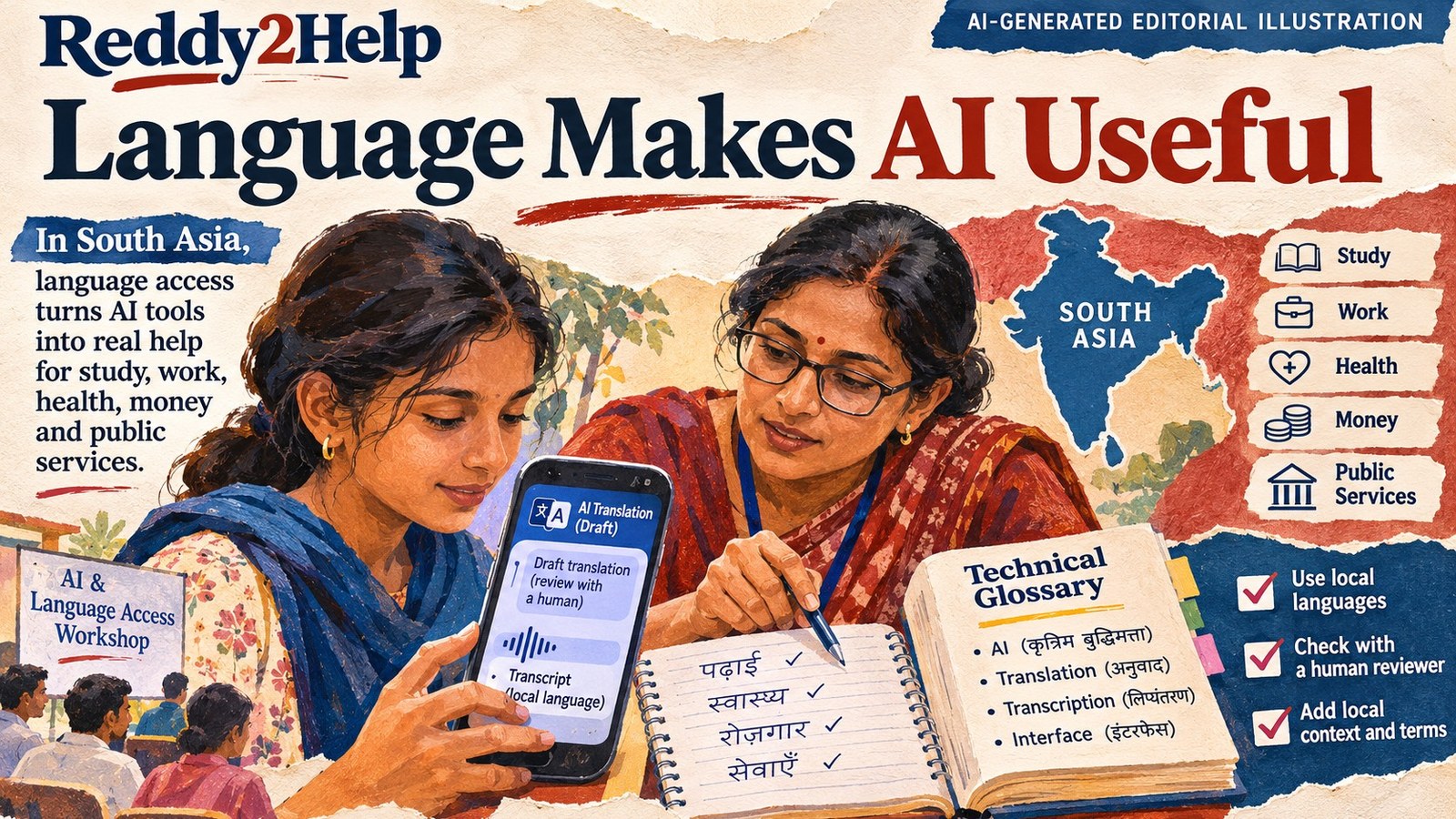
AI tools become more useful to underserved communities when people can ask questions, read results, and check mistakes in the languages they use every day.
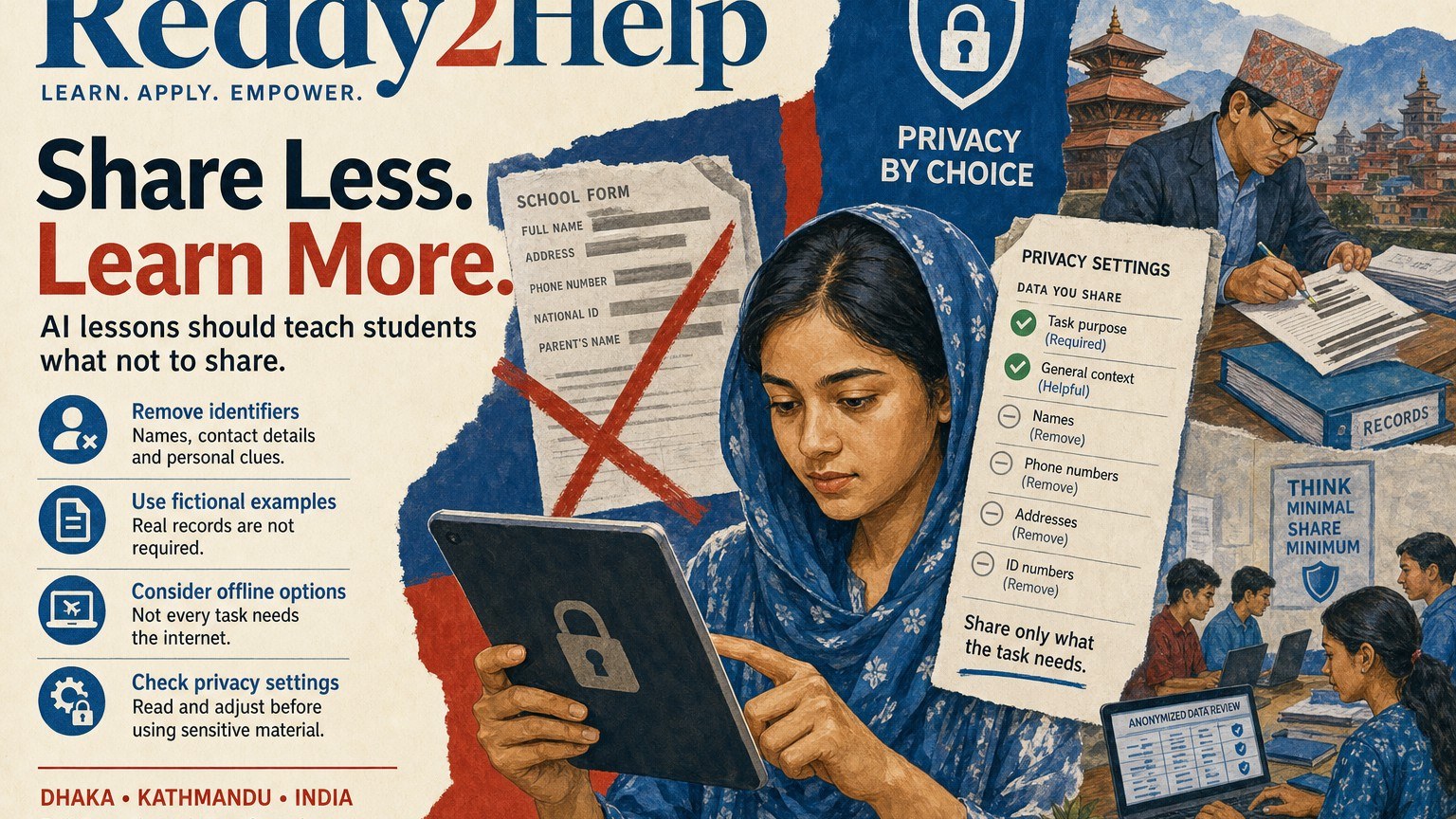
Students need practical privacy habits so free AI tools can help them without turning personal information into a hidden cost.
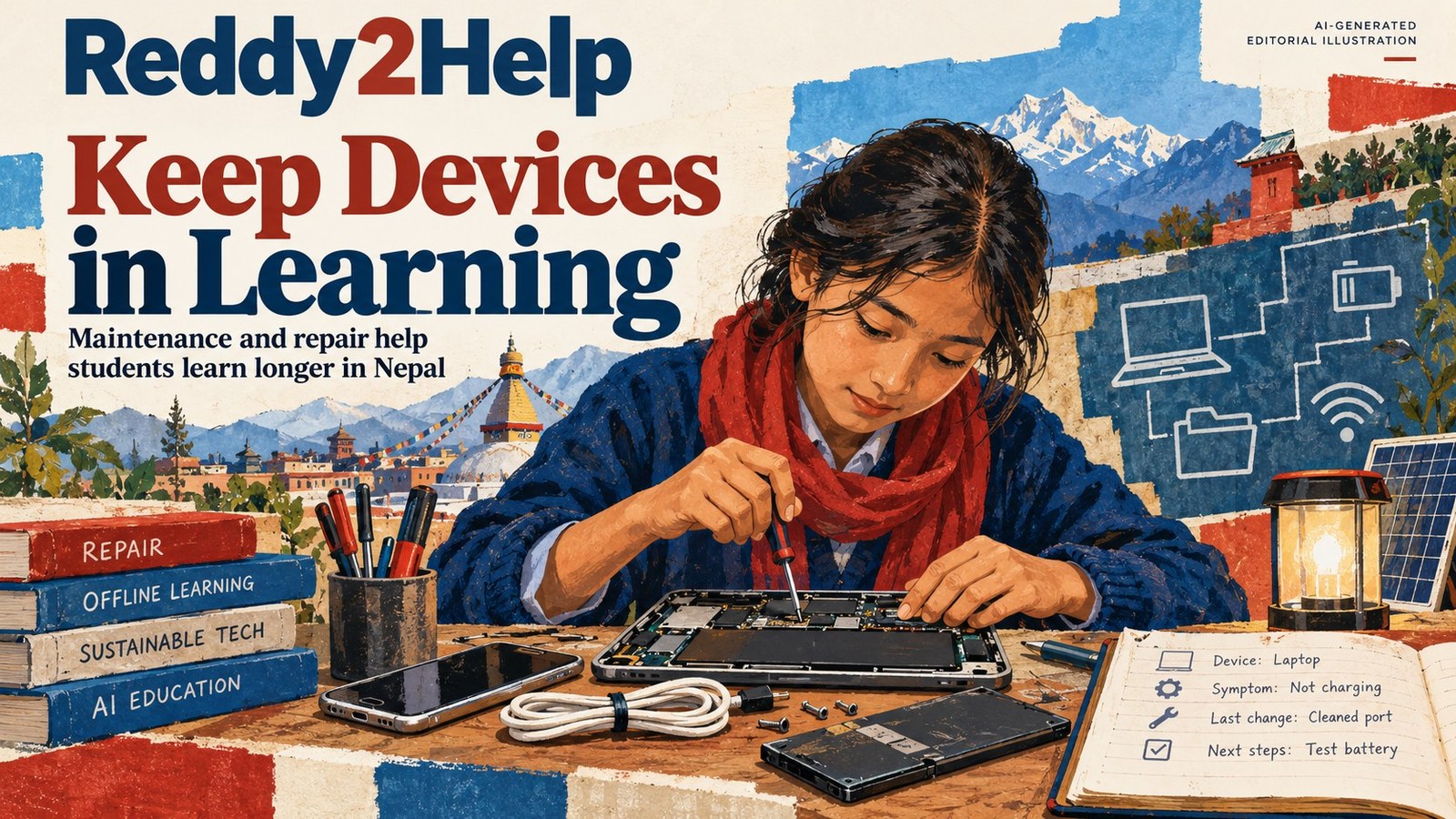
Students gain more from digital tools when they learn how to maintain, repair and share the devices those tools depend on.
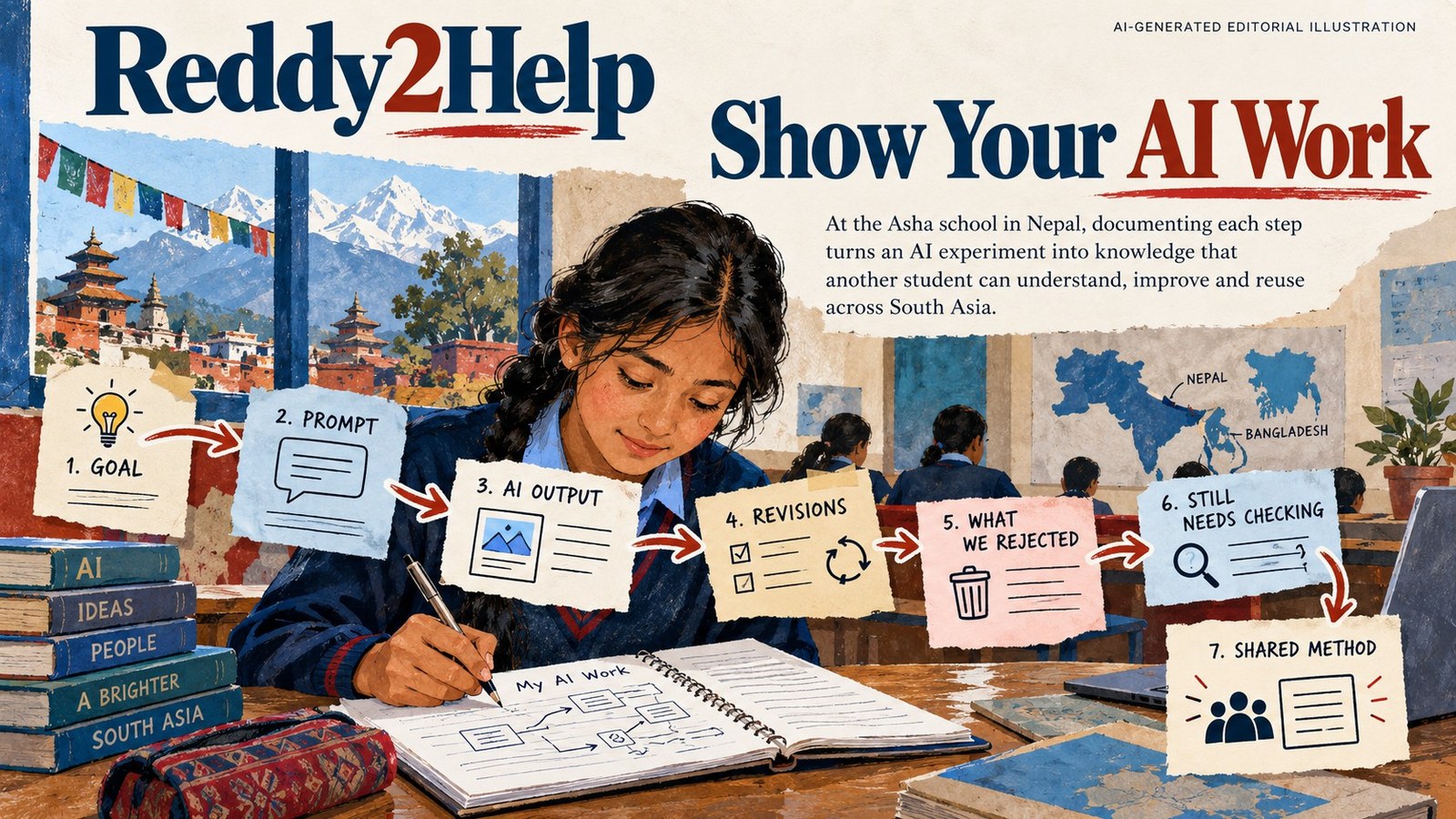
At the Asha school, documenting each step can turn an AI experiment into knowledge that another student can understand, improve and reuse.
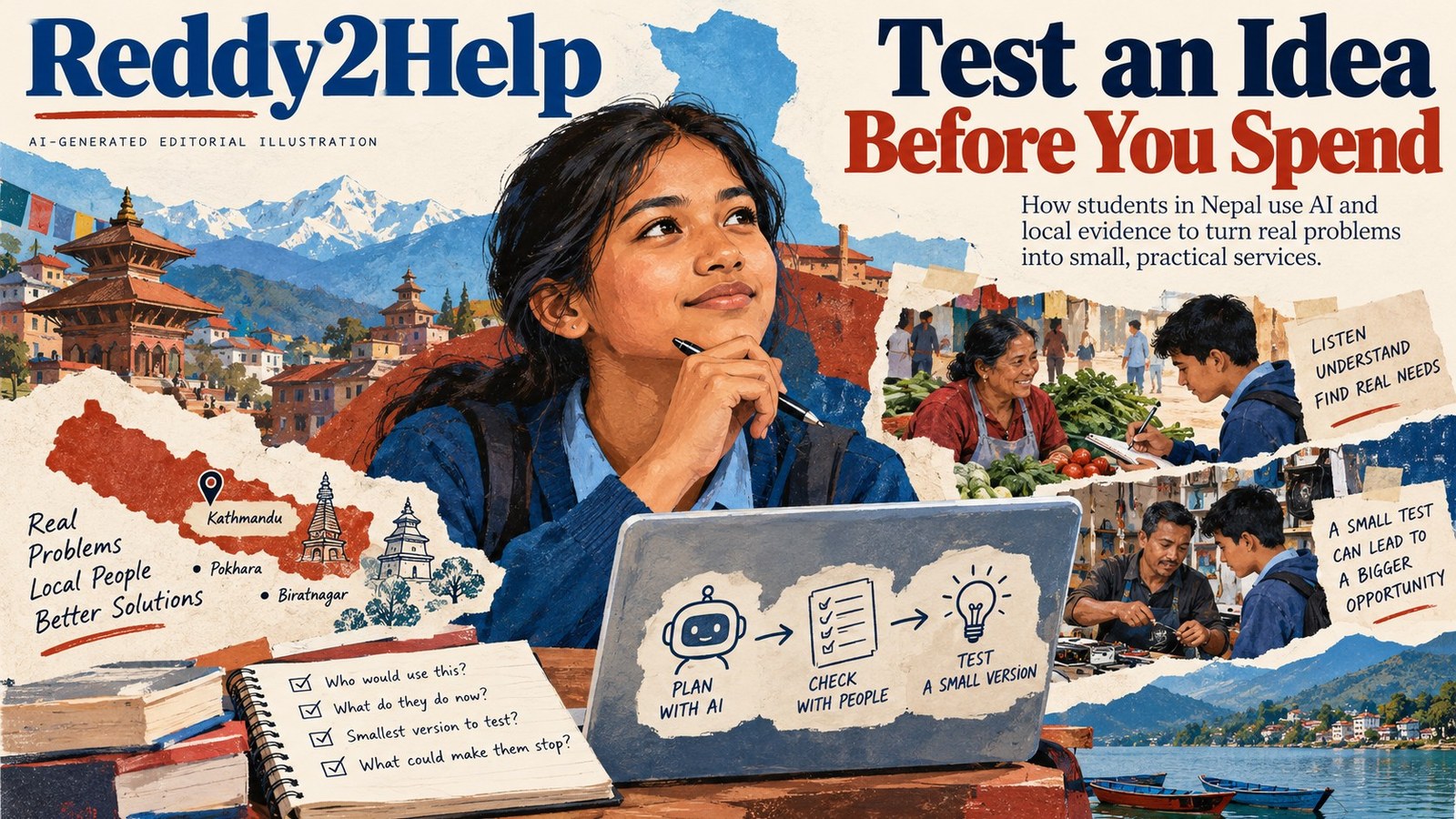
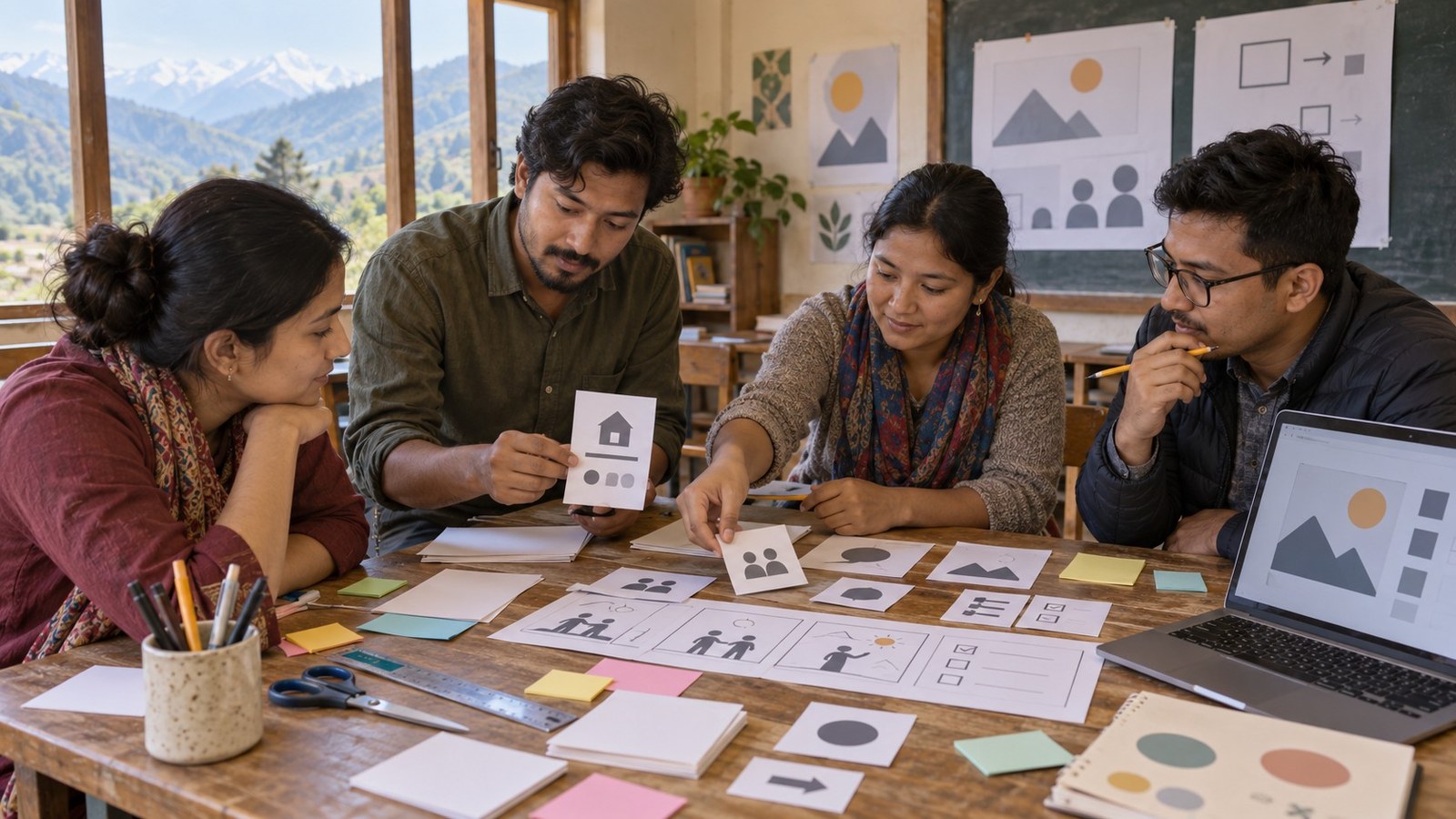
A careful AI lesson can help young people turn a local problem into a small, testable service without pretending that a chatbot has done the thinking for them.
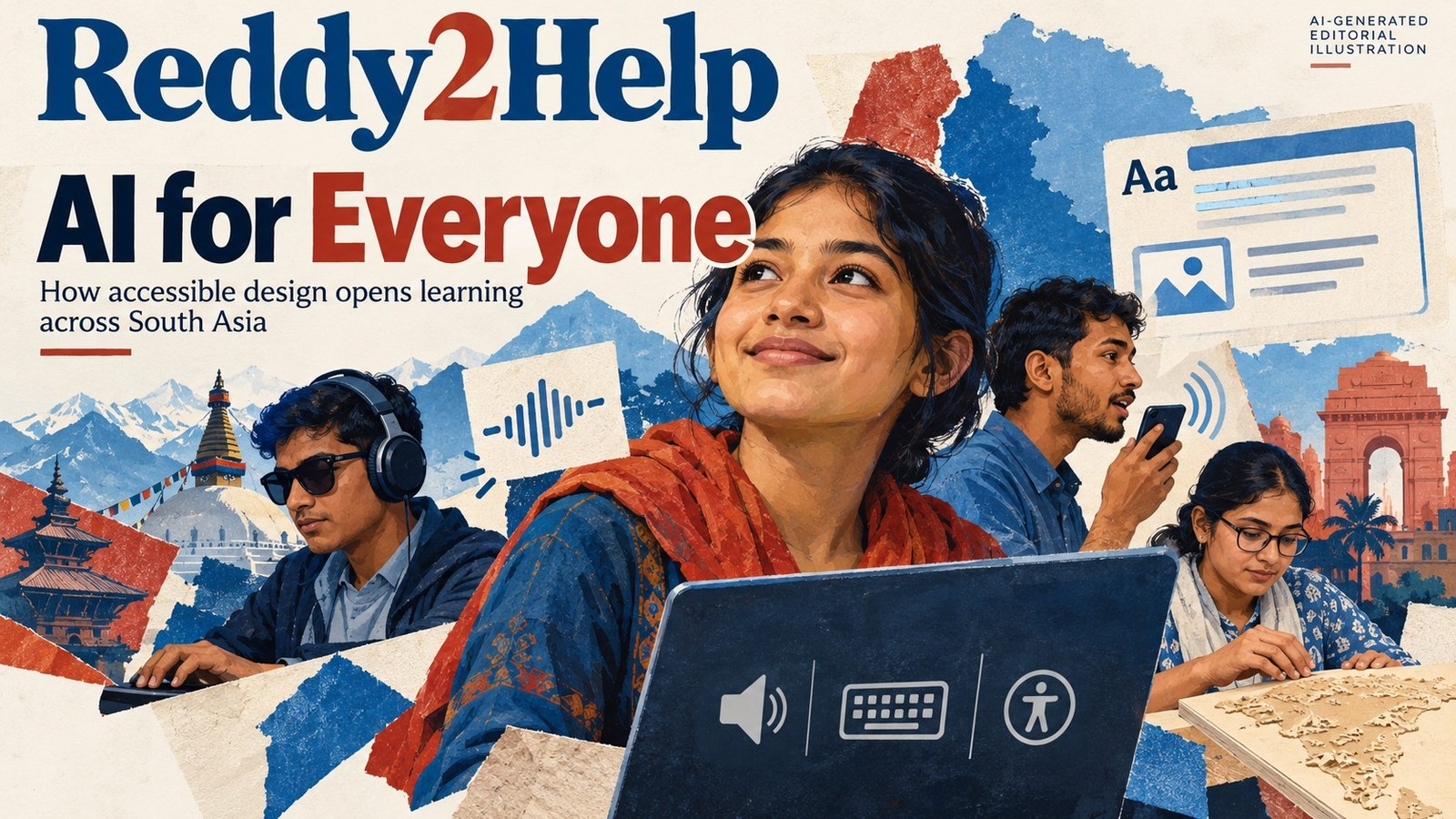
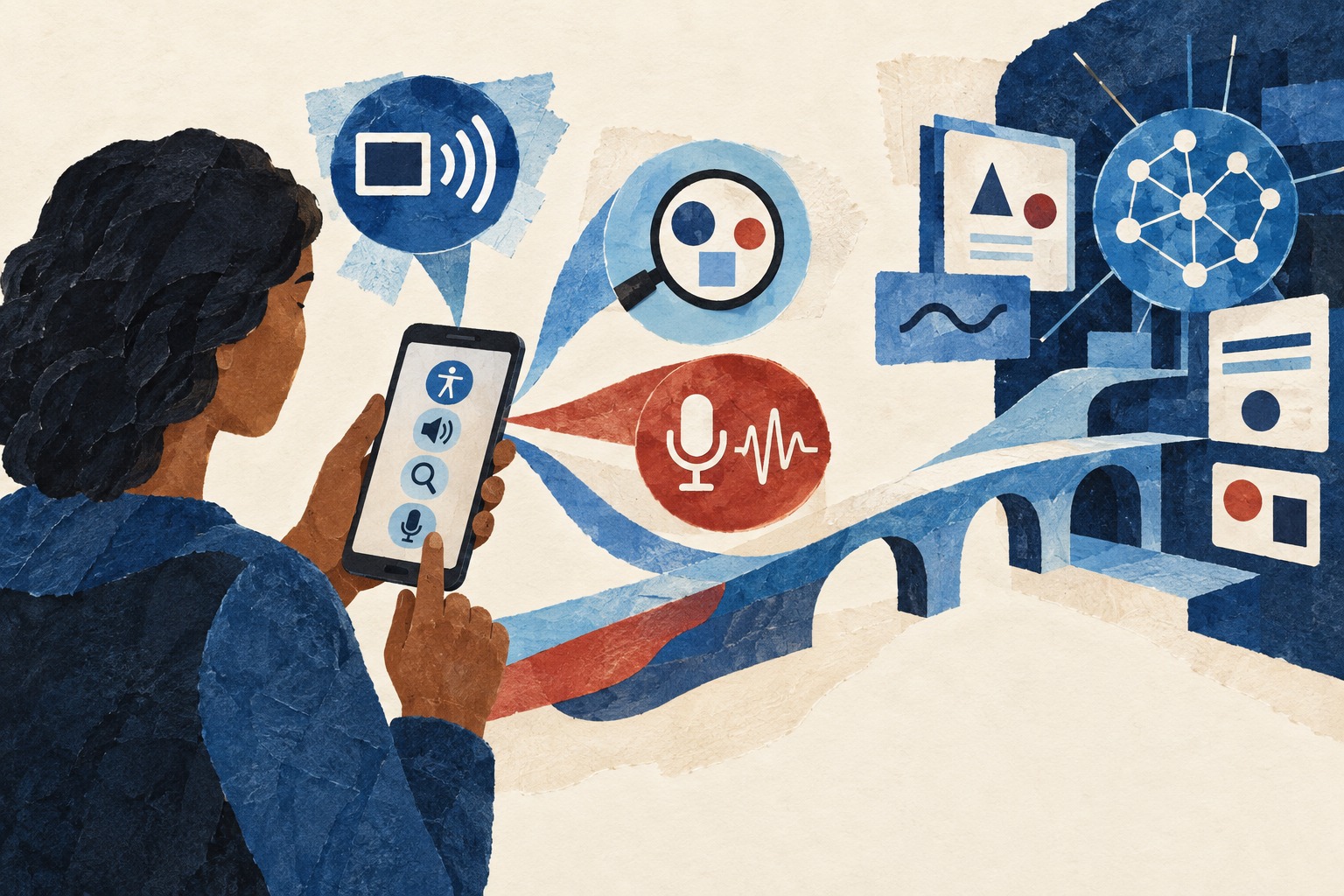
AI becomes more useful to a community when its interfaces work with screen readers, voice controls, and other assistive tools instead of assuming every learner sees and types in the same way.
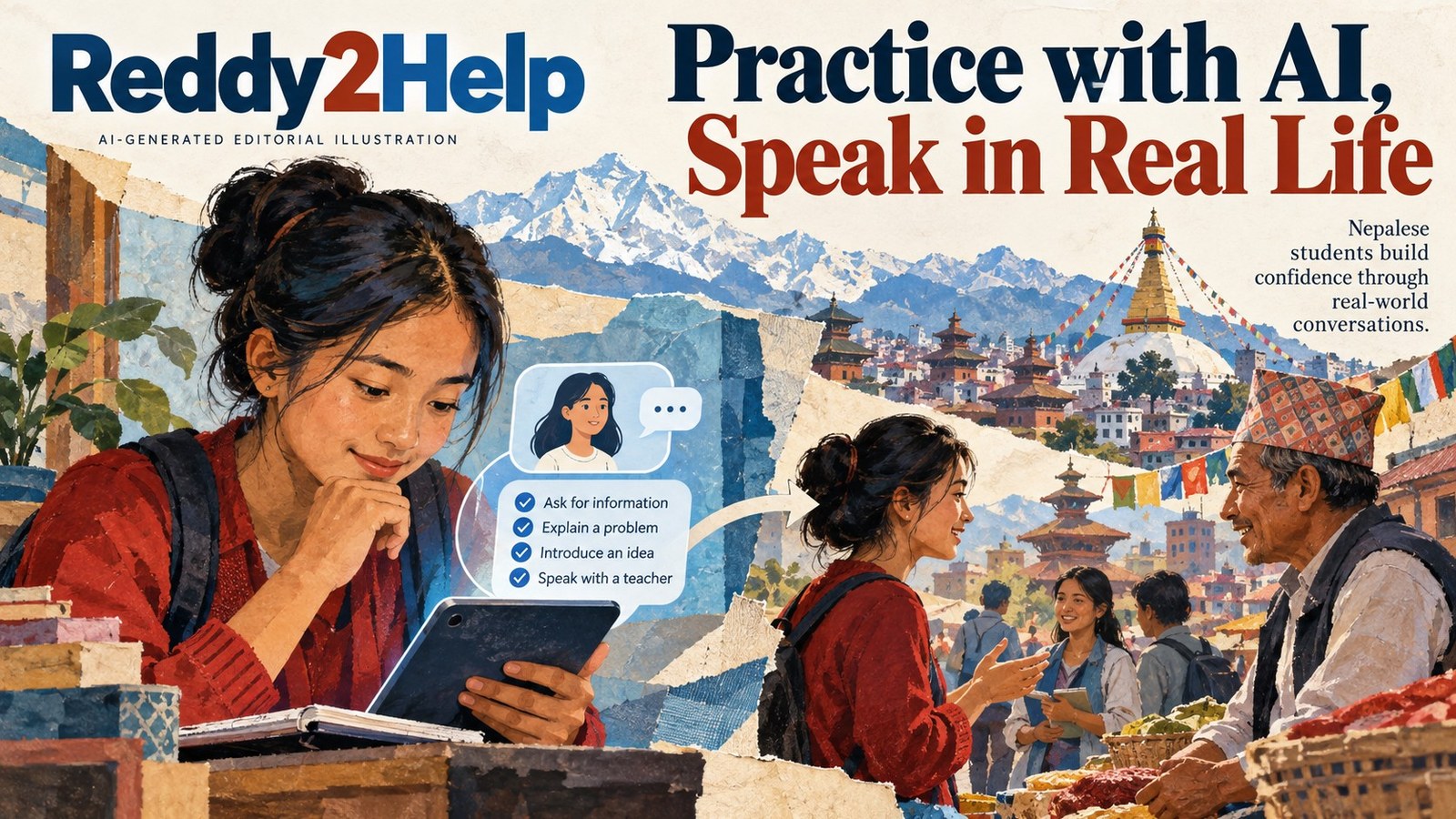
AI becomes more useful when students use it to rehearse practical conversations and then communicate in their own words.
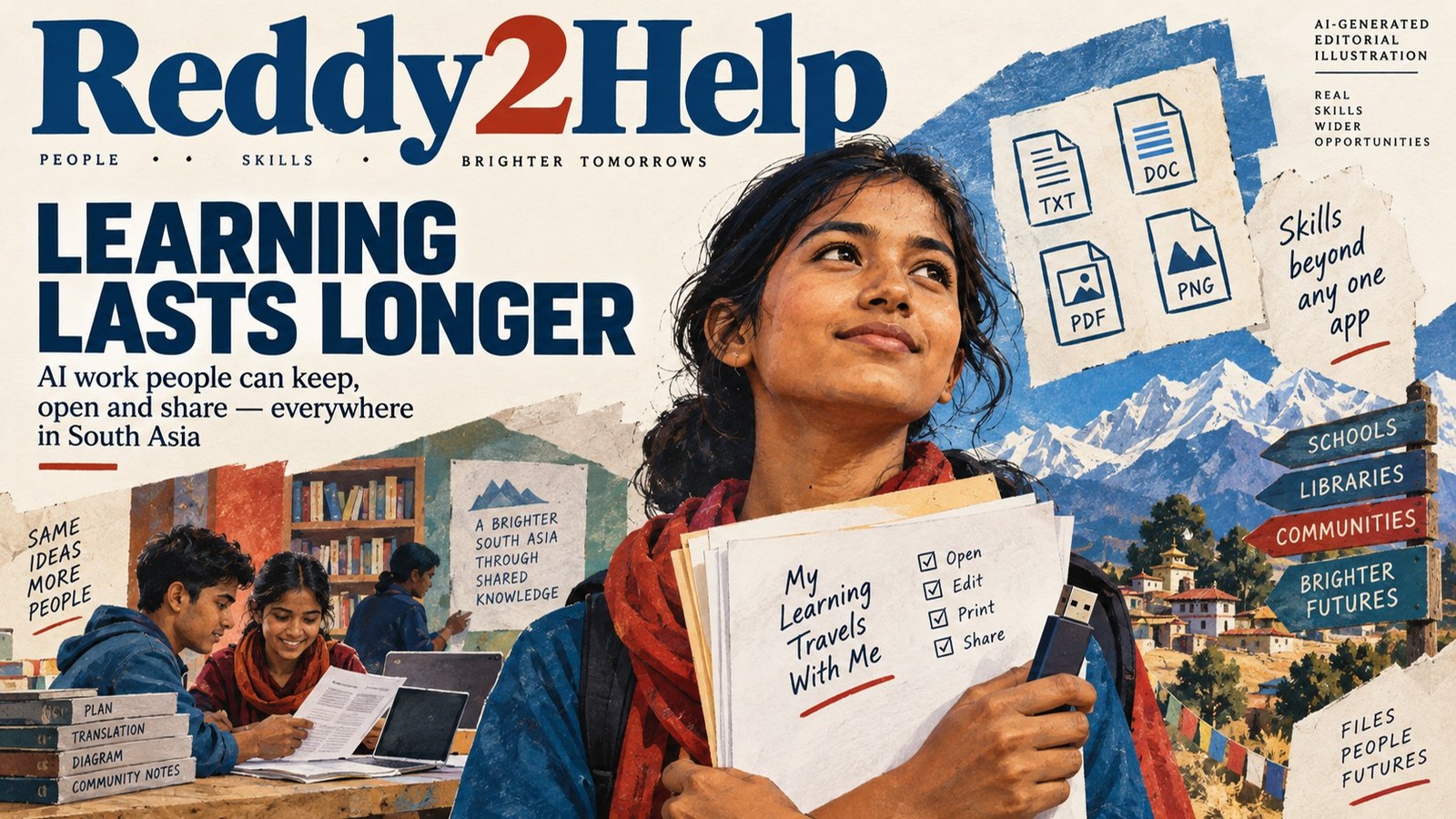
AI education gives students more lasting power when they can save, open, and share their work beyond the original tool.
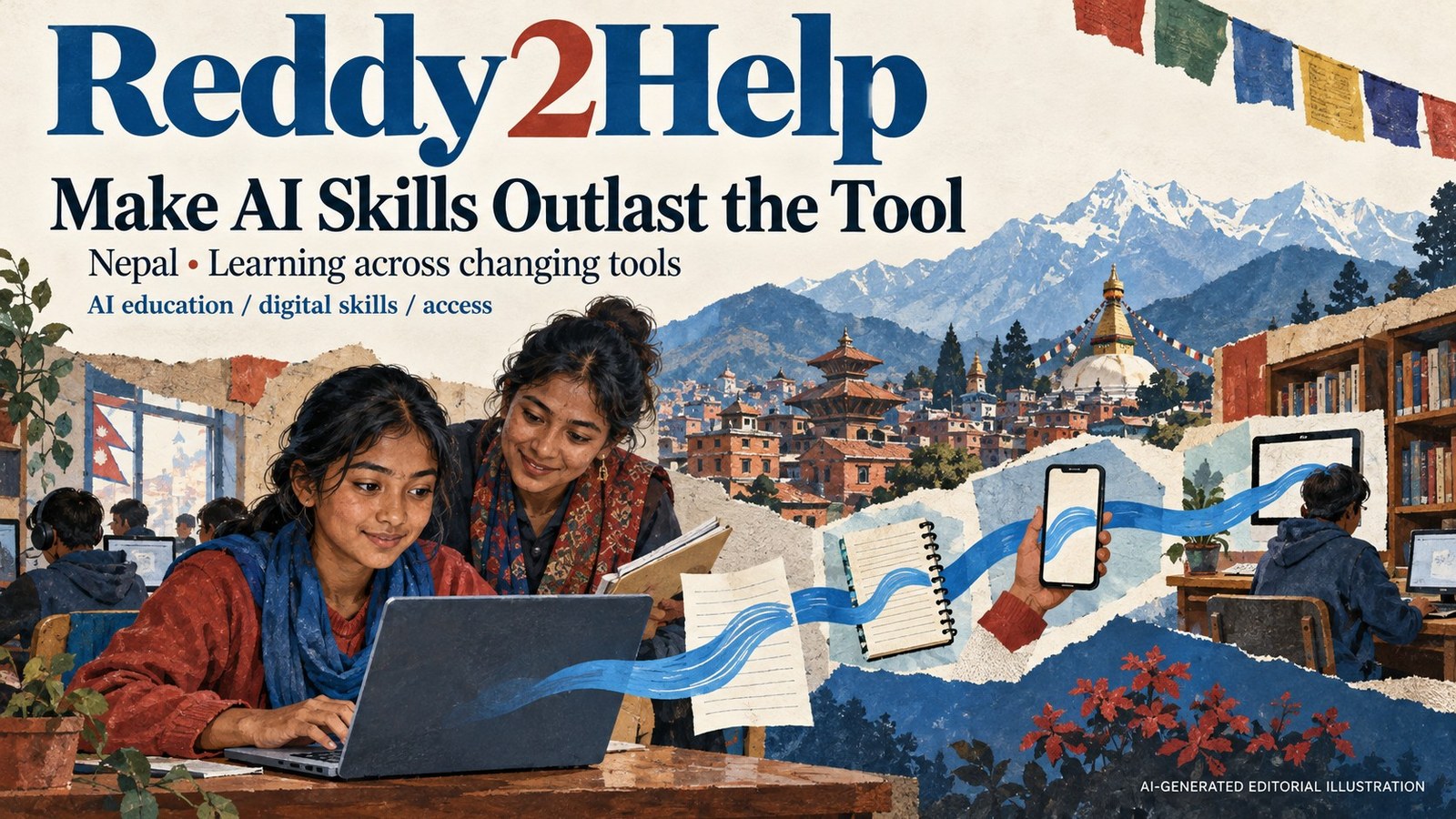
AI education lasts longer when students learn how to carry their work and methods between changing tools.
At Asha school, the strongest AI lesson is not about producing an answer but about turning a local problem into a small, testable tool.
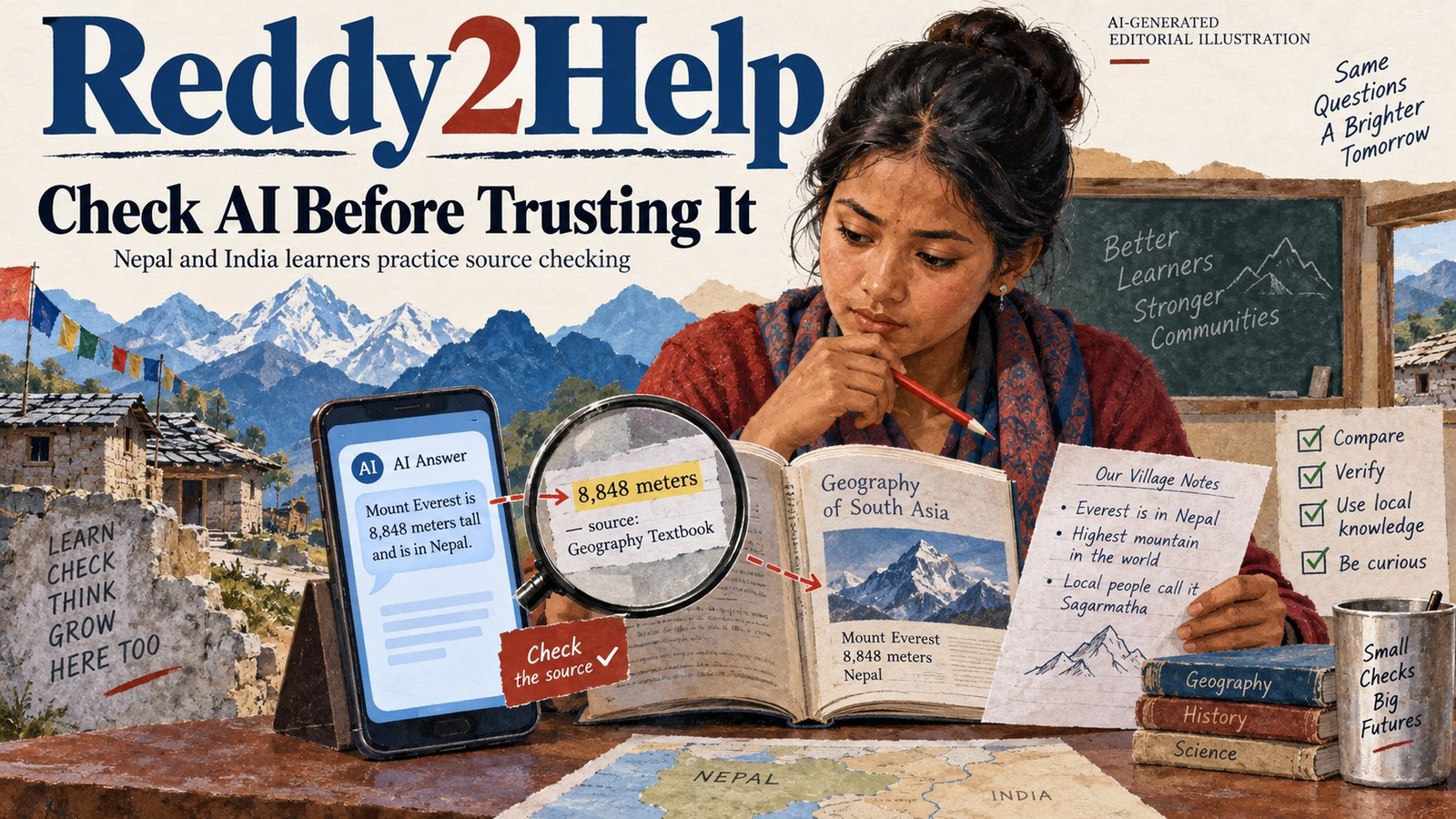
AI can help students begin research, but checking its claims against reachable sources is part of learning.
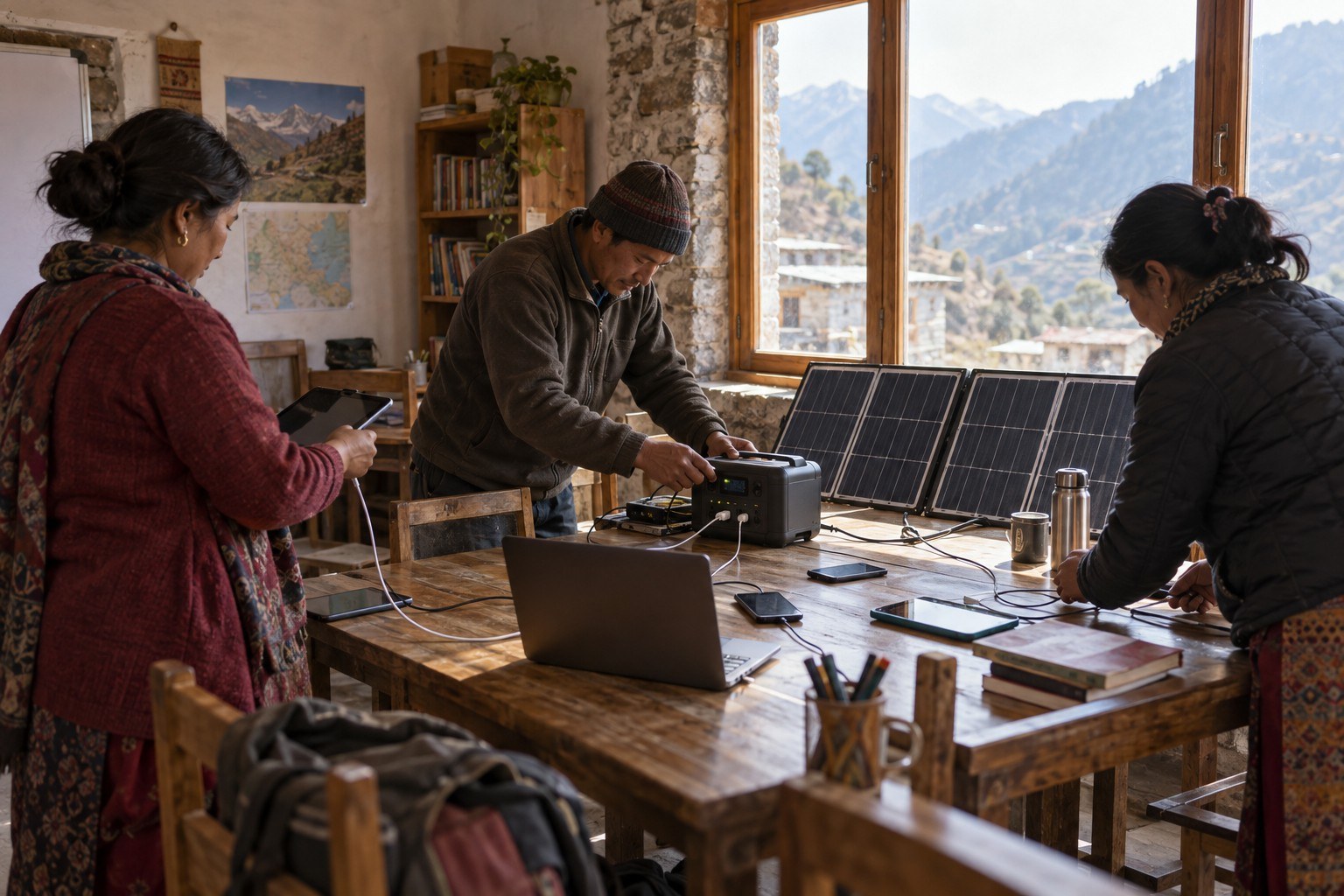
Reliable power, safe charging, and practical energy planning are part of making AI education useful to young people with limited resources.
Free AI access means little when a student’s strongest language is missing from the tools they are expected to use.
Free mapping tools give students a practical way to collect local evidence, check AI output and decide what information is safe to share.
Students benefit from AI education when teachers shape the tool around a clear lesson, a local question and work they can check together.
AI education is only useful in low-income communities when students can learn without turning personal information into a permanent product.
Free AI tools only widen opportunity when the computers and phones used to reach them can be maintained, shared and repaired.
Screen readers and voice typing come free on the same phones that run AI tools, and most teachers have never been shown they are there.
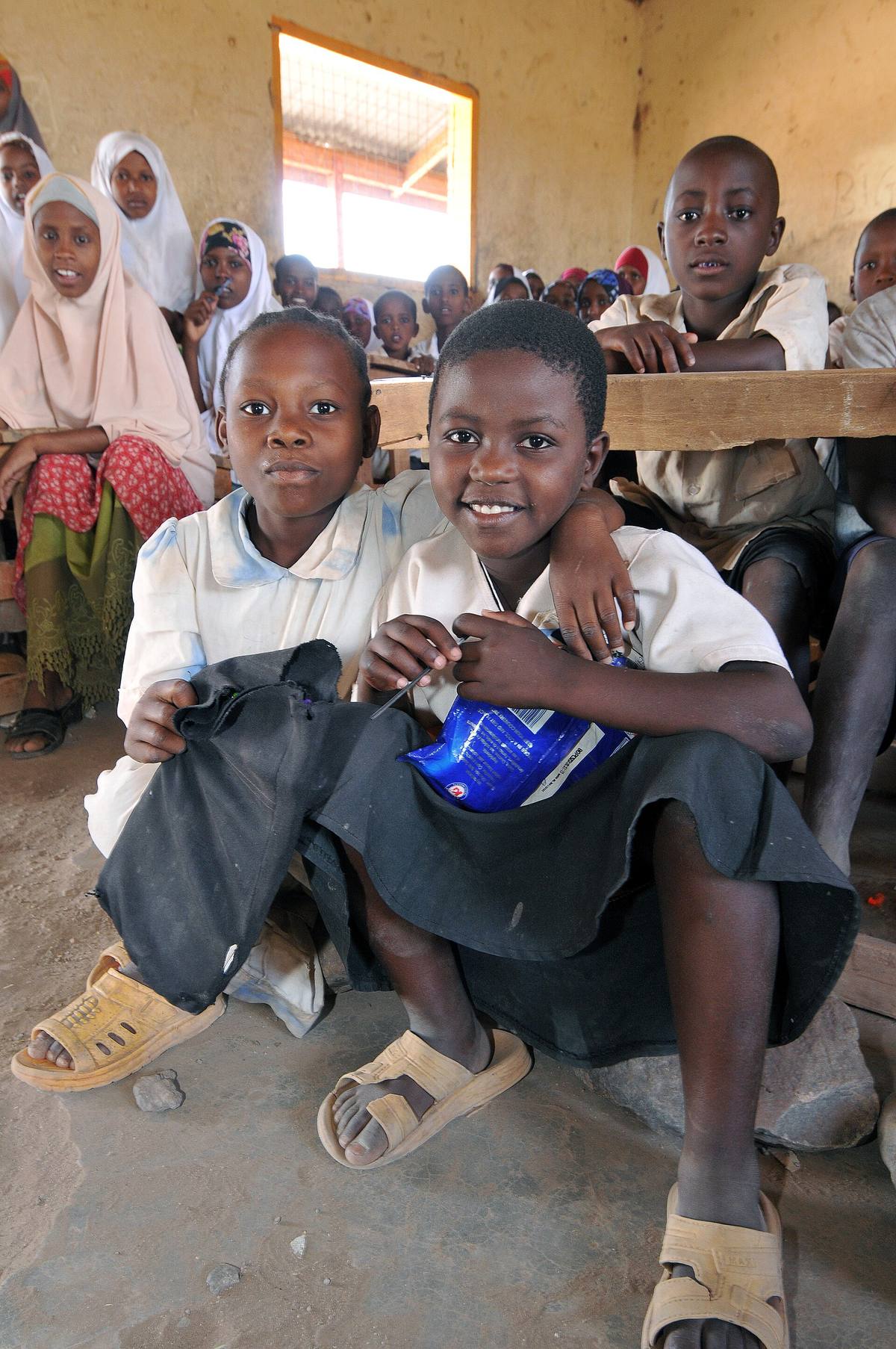
UNHCR reporting shows refugee children lose years of schooling to displacement, a gap no single tool closes, and Reddy2Help’s own model depends on the stability displacement removes first.
Access to a free tool and the ability to use it well are two different problems, and Reddy2Help treats closing the second gap as the actual work.
Child labor in Nepal and similar countries is driven mainly by poverty, and technology skills are one of the few paths to income a poor family can access without capital or years of schooling.
Free OCR and camera-based text tools can turn handwritten or printed pages into searchable, translatable material that students can work with on basic devices.
Free tools matter, but they only become useful in a classroom when students can move between English instructions and the language they understand best.
Monsoon risk in Nepal shows why technology education cannot depend only on perfect classrooms, steady travel or uninterrupted connectivity.
Free AI tools matter most when students are shown how to turn a question into useful work.