 Reddy2Help
Students should know who owns work made with AI
AI education should teach students how authorship, permission and credit work when a free tool helps create something.
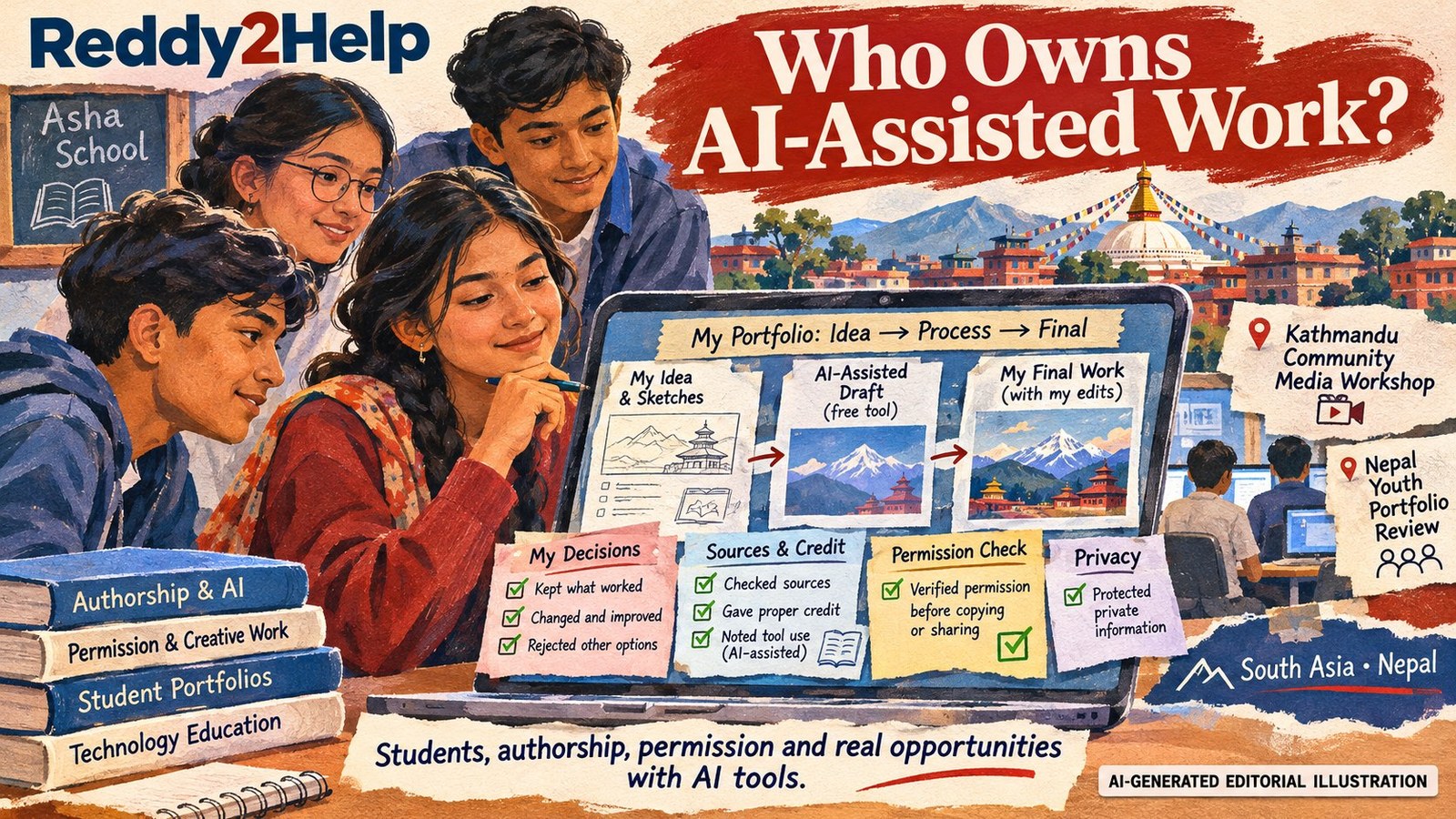
A useful question before the tool
A student can use a free AI tool to turn an idea into a poster, explanation, web page or short video. The tool may produce words or images quickly, but speed does not settle the important question: who is responsible for the finished work?
That question matters most when technology becomes a route to paid work. A young person who makes a school notice, designs a simple menu or prepares an online profile needs more than a result that looks finished. They need to know what they contributed, what the tool contributed and what they are allowed to reuse.
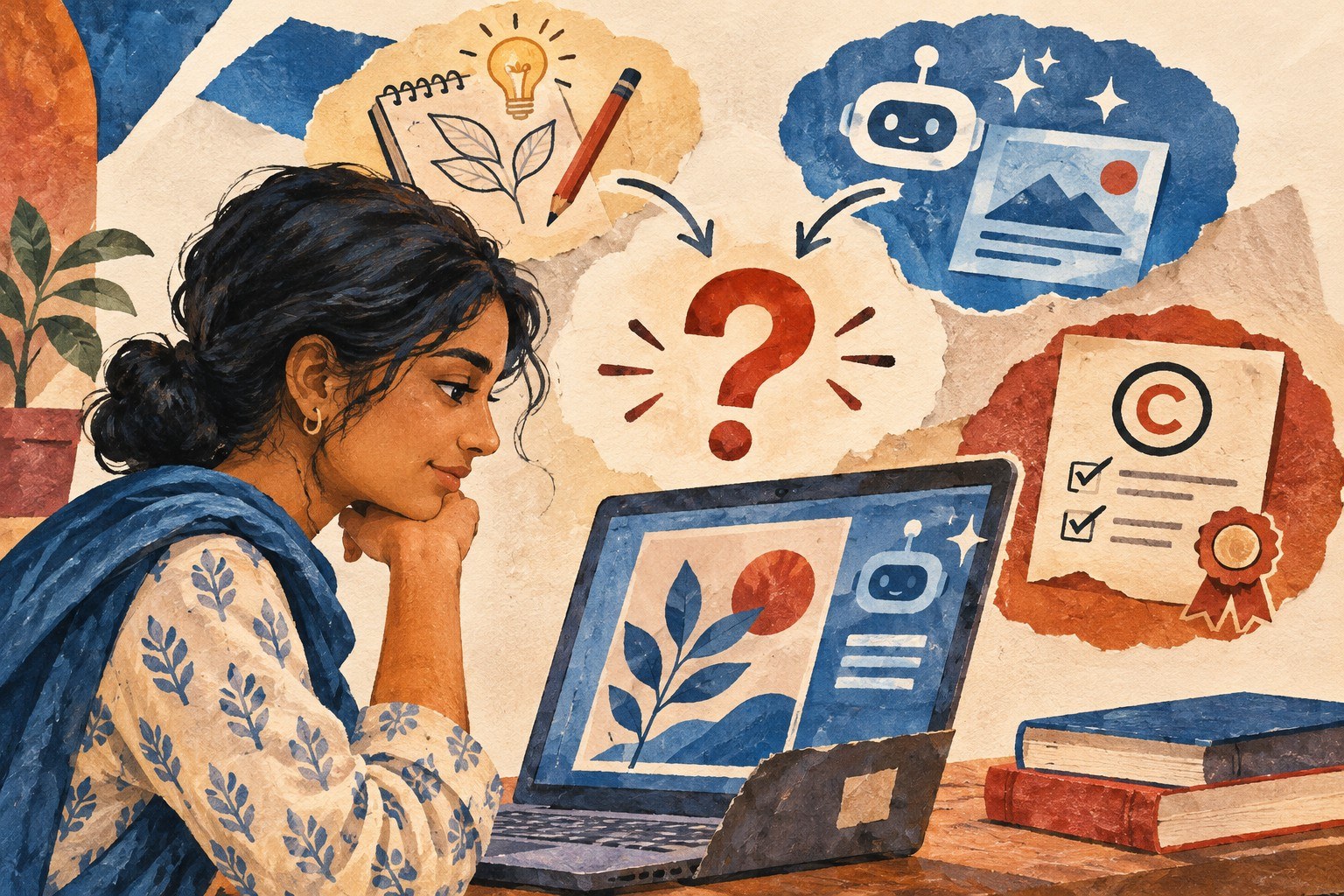
Credit is part of making
In an Asha school lesson, a useful exercise would begin with one ordinary assignment and produce it twice. Students could make a first version without AI, then use a tool to suggest structure, wording or visual ideas. Comparing the versions makes the student’s judgment visible.
The point is not to make every piece of work sound machine-made. It is to help students describe their process plainly: I chose the subject, I checked the facts, I rejected some suggestions and I changed the final design. That explanation is evidence of work, not an apology for using assistance.
A simple record can include:
- the original question the student asked
- the parts they kept, changed or rejected
- the sources they checked
- the names of people or materials that need credit
Permission is different from convenience
A free tool may make it easy to copy a photograph, a paragraph, a logo or another person’s idea into a new project. Easy access is not the same as permission. Students should practice stopping before reuse and asking what the material is, where it came from and whether the creator has set conditions for using it.
This is also a lesson about personal information. A student making a portfolio should not paste somebody else’s private details into a prompt merely because the tool asks for context. The safest workflow keeps the project useful while removing names, contact information and details that do not belong in the work.
Creative work permissions are part of the same habit: students need to know whether they may copy, adapt or share material before placing it in a project.
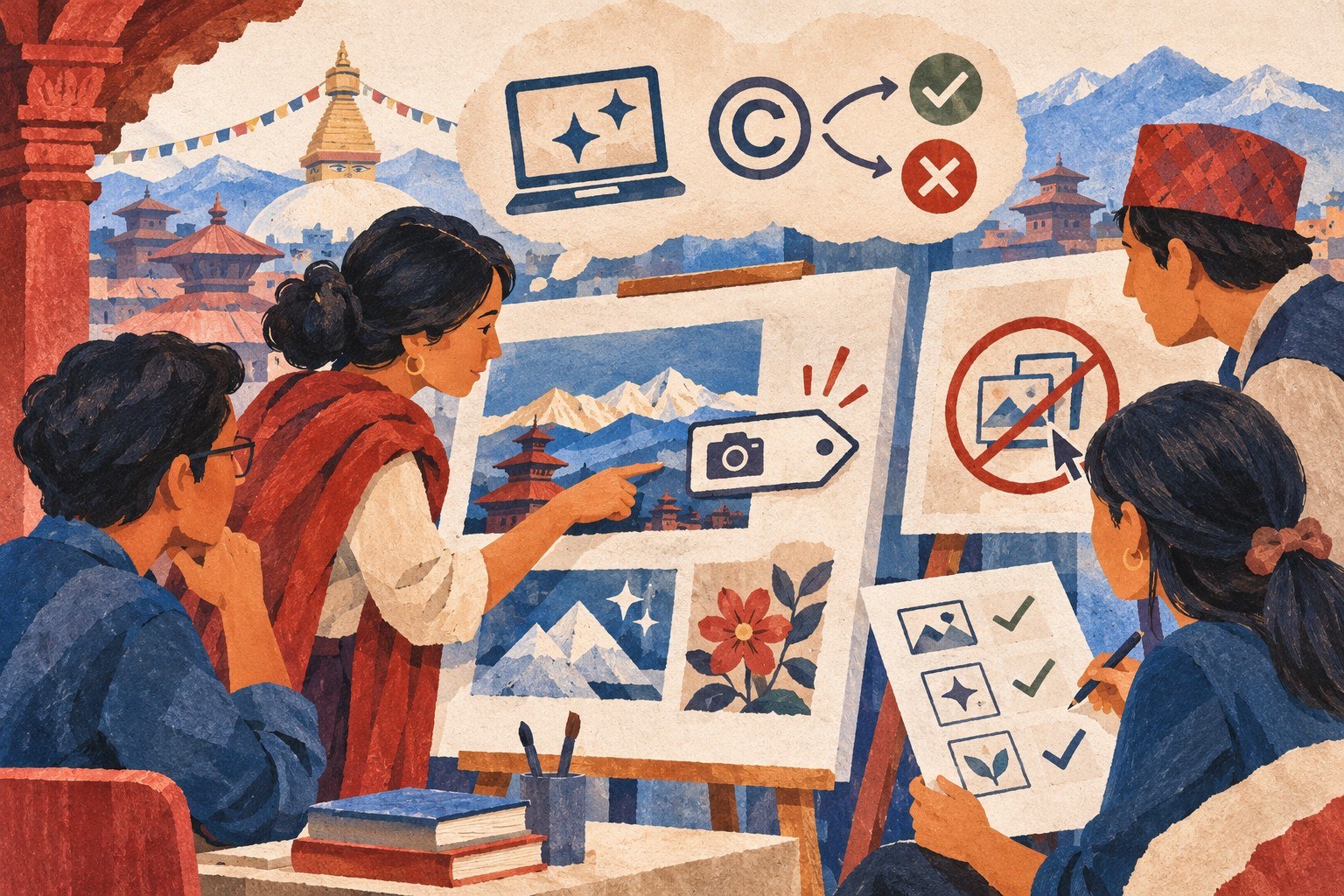
A portfolio should show the decisions
A portfolio made with AI should not be a shelf of polished outputs with no explanation. Student portfolios should show enough of the process for a teacher, client or future collaborator to understand the student’s role. A rough sketch beside a revised version can say more than a perfect final image.
This is where AI education connects to opportunity. Someone who can explain a design choice, check a claim and document permission is easier to trust than someone who can only produce a result on request. Trust is a practical skill for freelance work, community projects and further study.
Students can label each project with a short note:
- what problem the work addresses
- which tools provided assistance
- what the student checked independently
- what should not be copied or reused
The work still belongs to a person
Rules about authorship and AI-assisted work will continue to change. That uncertainty is a reason to teach careful habits, not a reason to avoid the subject. Students can learn to check the current rules for a school, client or platform instead of assuming that every free tool gives them unlimited rights.
Reddy2Help’s technology education should leave young people able to answer a direct question: what did you make, what help did you use and why are you allowed to share it? That answer will not solve every legal dispute, but it gives students a clear starting point for responsible work.
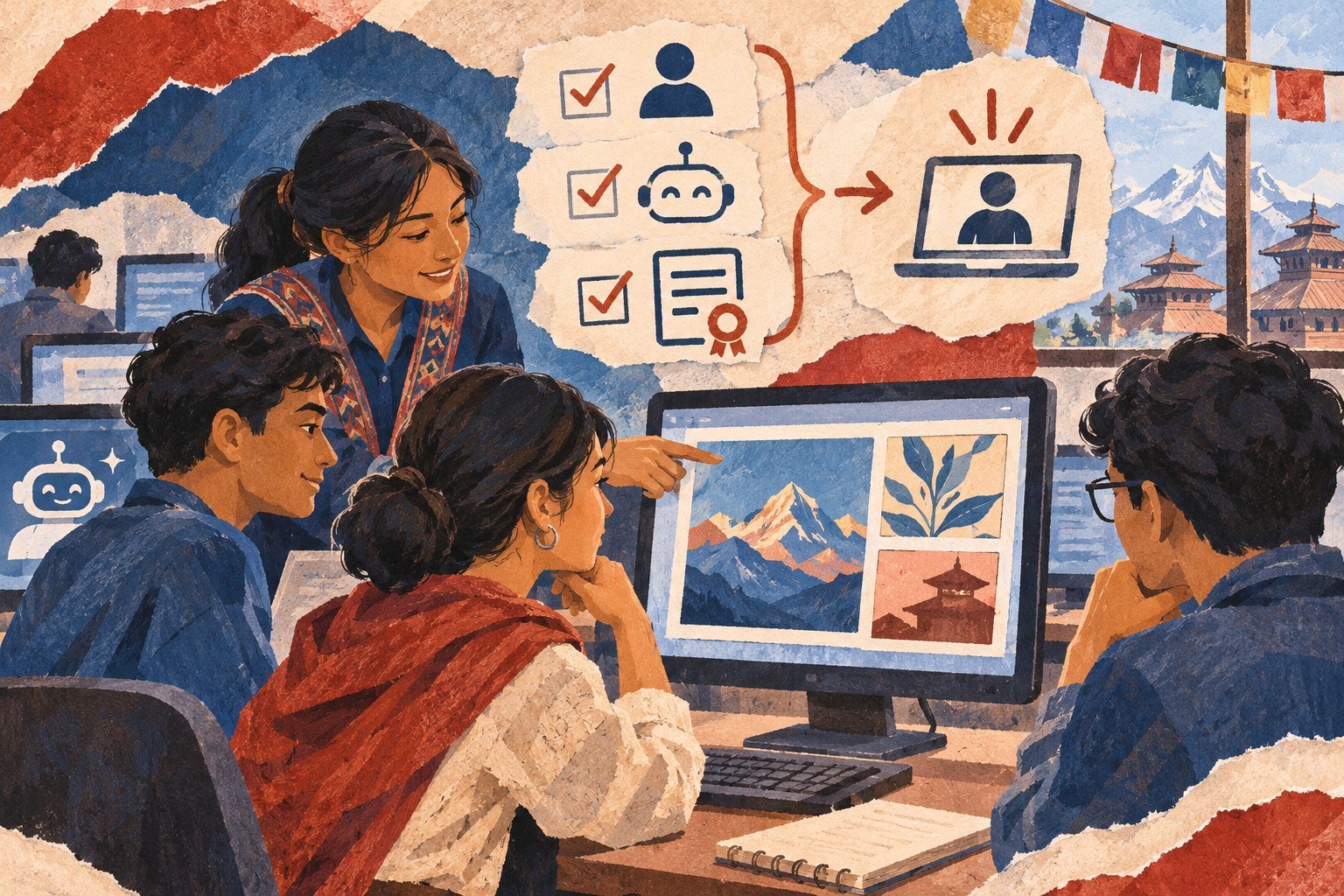
The cheapest tools can widen access to creative and technical work. They widen it more safely when students learn that authorship includes choices, permission and accountability. AI should reduce the cost of making a first draft, not erase the person who made the decisions.
How should students explain work they made with AI?
Students should describe what they contributed, which AI tools assisted them, what facts or materials they checked, and what permission or credit is required. Reddy2Help can teach this as a practical portfolio skill so free AI tools expand opportunity without hiding responsibility.