 Reddy2Help
Displacement keeps children out of school for years, not weeks
UNHCR reporting shows refugee children lose years of schooling to displacement, a gap no single tool closes, and Reddy2Help’s own model depends on the stability displacement removes first.
What displacement removes from a school year
UNHCR reporting has repeatedly shown that refugee children are considerably less likely to be enrolled in secondary school than children in the countries hosting them, and the gap widens the longer a family stays displaced.
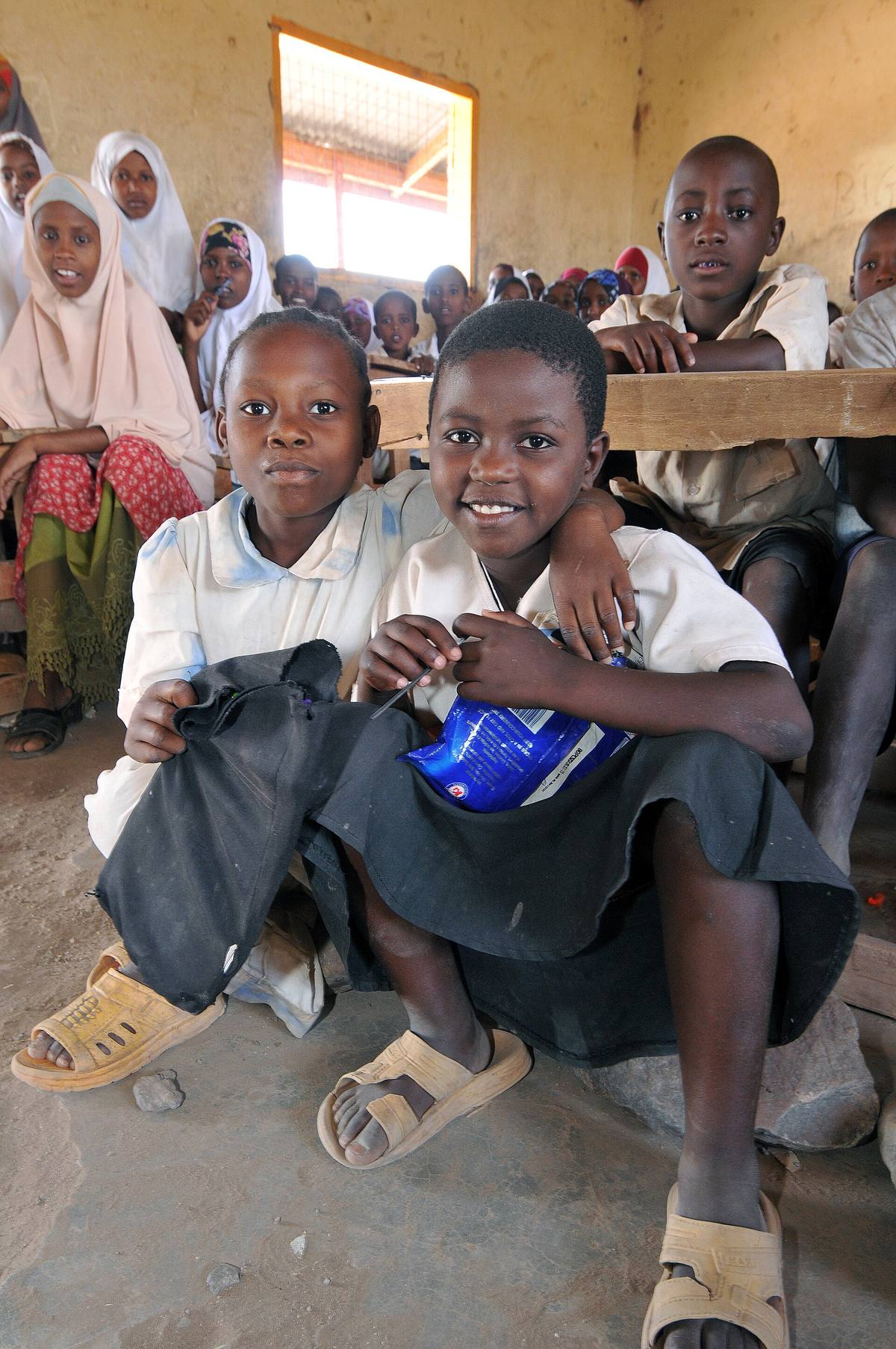
A single missed term is not what displacement usually costs a student. It is a curriculum, a teacher who stays, a set of exams, and often the documents needed to prove any of it happened at all. In 2011, in a bare-walled classroom at Kakuma refugee camp in Kenya, children in worn uniforms and sandals share wooden benches, two boys in front holding a torn cloth bundle and a plastic pouch.
Displacement usually means years, not months
UNHCR labels most refugee situations protracted, meaning they last years rather than the weeks an emergency response is built to cover. A child who starts school displaced can finish it still displaced.
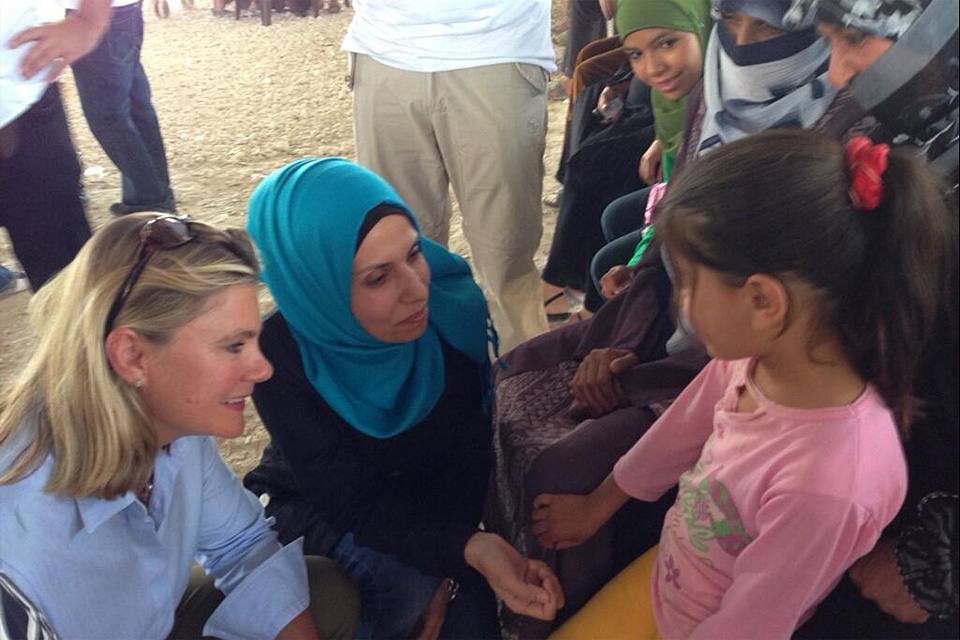
The result compounds rather than arrives all at once. A shorter school day, an overcrowded classroom, a curriculum that does not match the one back home: each is small on its own, and together they are enough to end a student’s education years before it should have ended. In 2013, at the Zaatari refugee camp in Jordan, a woman in a blue headscarf kneels beside an official, speaking with a young girl in a pink shirt as others look on.
Where digital learning has actually reached these classrooms
Some of the same free tools this newsletter covers do reach displacement settings, but through named programs, not by accident. Partnerships between UNHCR and telecom foundations have put internet-linked classrooms inside camps in East Africa, staffed by people trained to run them, not one teacher improvising alone with a borrowed phone.
What those programs generally require, to actually work:
- electricity reliable enough to keep a device charged through a full school day
- a teacher trained on the tool, not just handed it
- content available in a language the students actually speak
- a device built to survive being shared by a whole classroom
None of that is exotic. It is the same list Reddy2Help works from at the Asha school, which is one reason this kind of program is worth naming rather than folding into a generic story about apps.
What Reddy2Help’s model assumes, and what displacement removes
Reddy2Help’s own sessions assume a school building that will still be standing next month, a laptop a student can return to, and a teacher who stays. That is the ground this newsletter’s whole argument stands on: that free tools and a little guidance are enough once someone shows up regularly to give it.
Displacement removes exactly that ground first. A free AI tool does not fix a missing classroom, and it does not replace a teacher who was reassigned or a family that moved again. Treating it as though it could would be its own kind of dishonesty, and this newsletter would rather say so plainly than skip the objection.
That is also why this issue reports the crisis rather than pitches a solution to it. The tools this project teaches are one small piece of restoring access once a classroom exists. They are not a way to conjure one.
What to watch
UNHCR publishes education data for refugee populations on its own site each year, and the picture it draws is about camps, host countries and funding gaps, not about any single tool. Readers who want the sourced figures should go directly to that reporting rather than take a secondhand number from here.
Reddy2Help will keep writing about its own classroom, because that is the one place it has first-hand material. Displacement is a reminder of how much has to be true before a laptop and a free tool are even the relevant question.
How does displacement affect children’s access to school?
UNHCR reporting shows refugee children are considerably less likely to be enrolled in secondary school than children in their host countries, a gap that widens the longer displacement lasts, and most displacement situations last years rather than months. Reddy2Help’s own youth technology sessions assume a stable classroom and a device a student can return to, which is exactly what displacement removes first, so a free tool is one small piece of restoring access once a classroom exists, not a substitute for one.