 Reddy2Help
Community networks can put useful internet closer to people
Locally managed networks can make online learning and public information more reachable where commercial internet is unreliable or unaffordable.
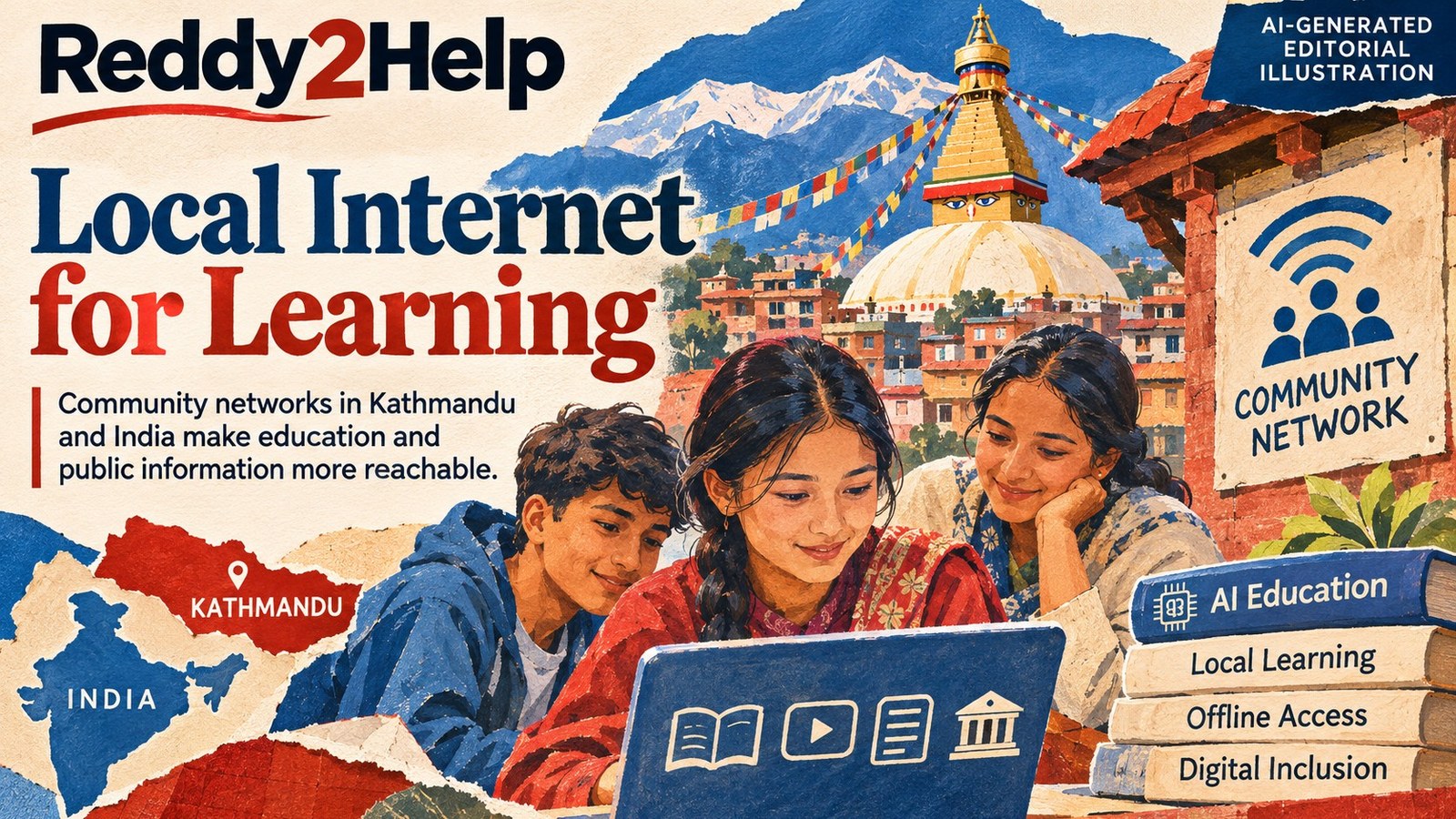
Access is more than a signal
A phone can show a full signal and still be a poor learning tool. Data may be expensive, service may disappear outside a town, or a useful website may require more bandwidth than a family can spare. Digital inclusion depends on whether people can reach something useful, not only whether a network appears on a screen.
Community networks offer one way to close that gap. Residents, schools, libraries and local organizations can help manage equipment and decide which services matter. The model changes the question from “Who can sell access here?” to “What should this connection help people do?”
A network can carry local value
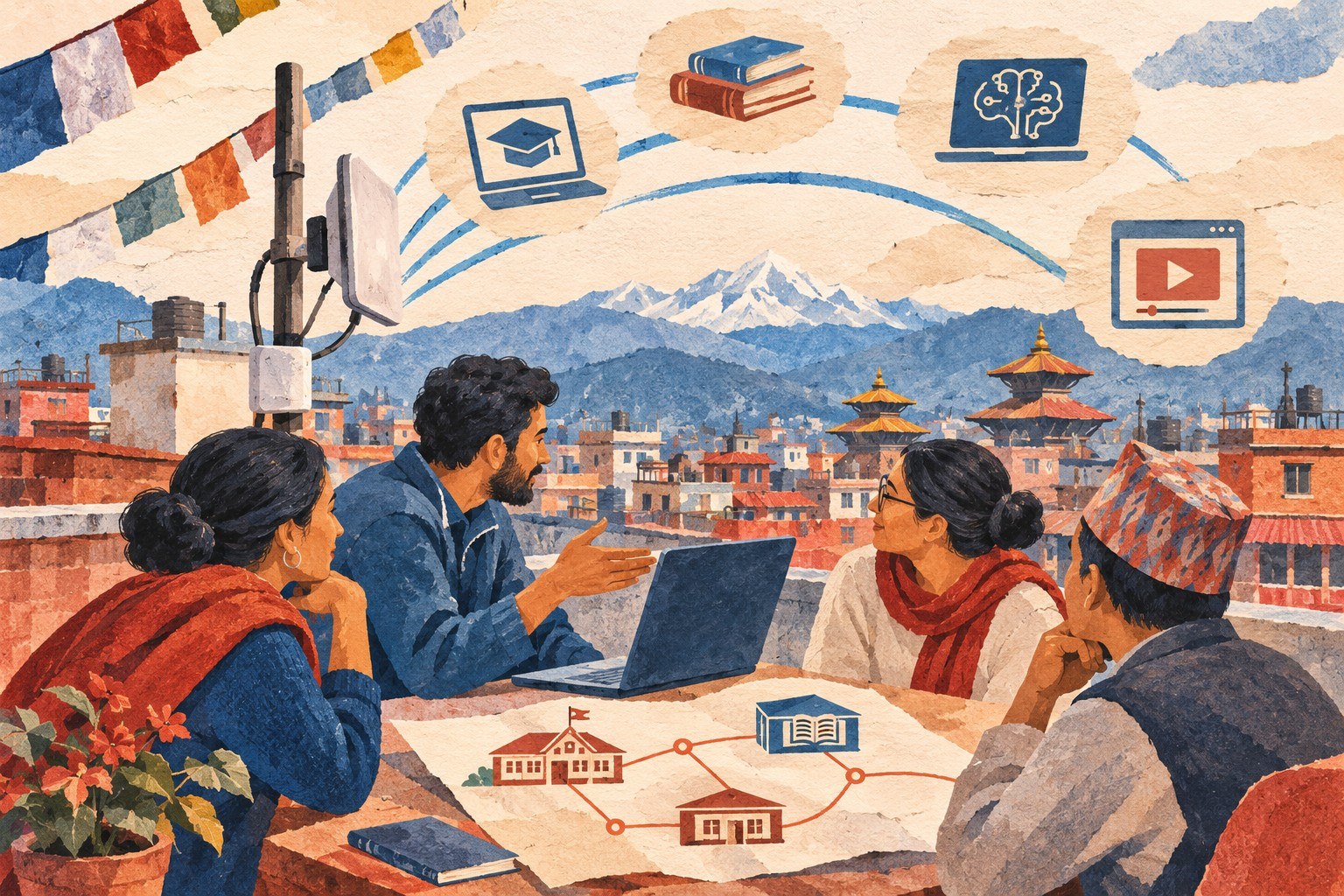
A connection becomes more useful when it leads to material people recognize. A local learning center might host guides, language resources, public forms and lessons that remain available even when the wider internet is slow. A teacher could prepare materials once and let learners reach them nearby.
This is the practical meaning of offline access and local internet. It does not reject the internet. It makes room for useful work when a live connection is too costly, too weak or unavailable. The local network becomes a shelf of information that people can reach with ordinary devices.
Digital inclusion is therefore partly a publishing decision. The people managing access need to ask what should be available locally, which languages are needed and how often the material should be checked. A network that carries only a login page has solved very little.
Local control changes the work
A community network also creates technical work that does not have to be performed in a distant office. People can learn how to place equipment, document a connection, explain a service interruption and protect the information moving through the system. Those tasks are useful technology education because they connect a technical choice to a public need.
The work should be shared rather than assigned to one unofficial expert. A simple local record can show:
- which equipment is connected
- which services are available without the wider internet
- who can make changes
- how a problem is reported and checked
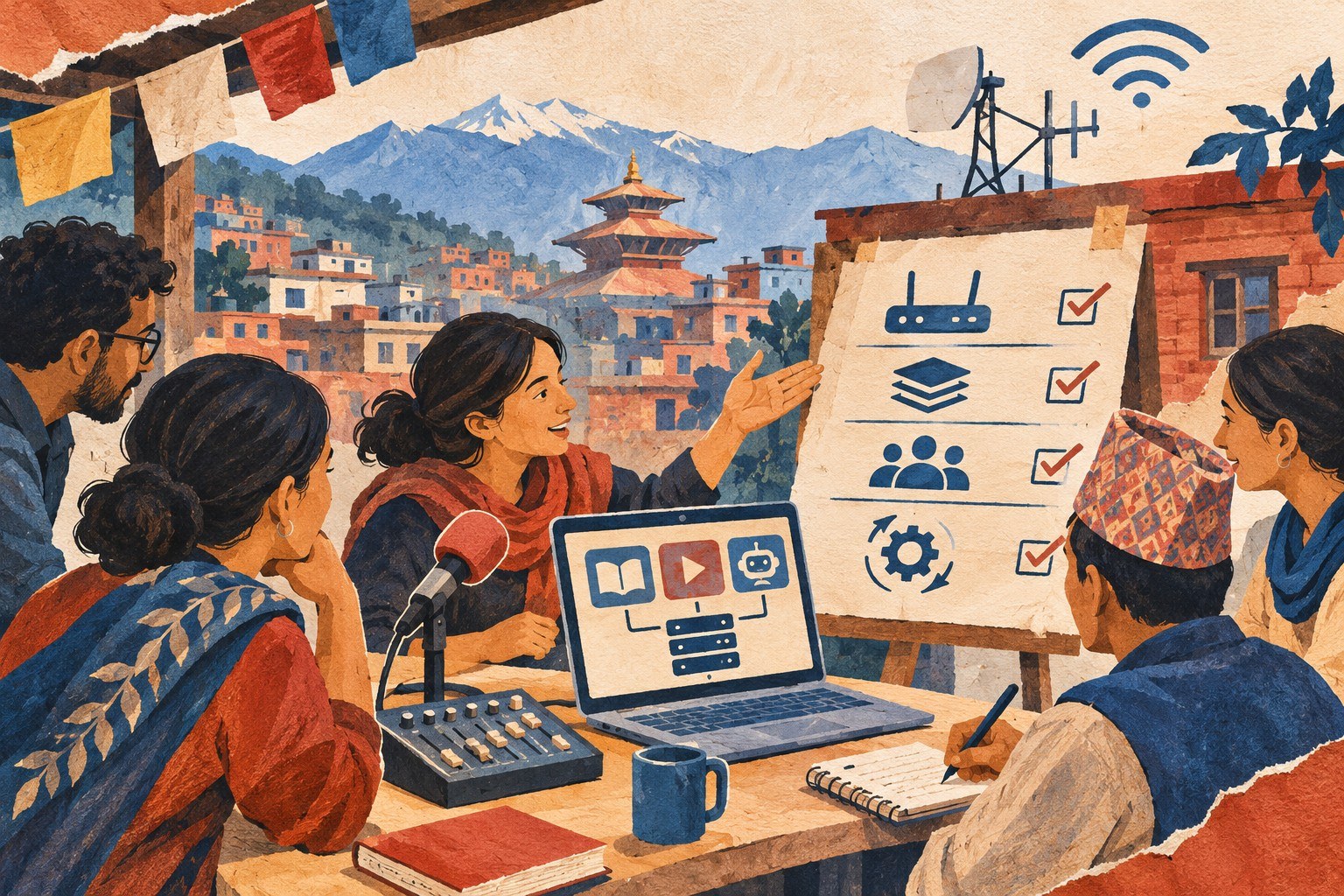
That record matters when a volunteer moves away or a device fails. It also makes the network easier to question. People should know who controls access, what information is collected and whether the arrangement still serves the neighborhood.
The difficult questions belong in the design
Local control is not automatically fair. A network can exclude people through its location, language, opening hours or rules. It can also become dependent on one donor, one provider or one person who understands the equipment. A project that calls itself community-led still needs clear decisions and visible accountability.
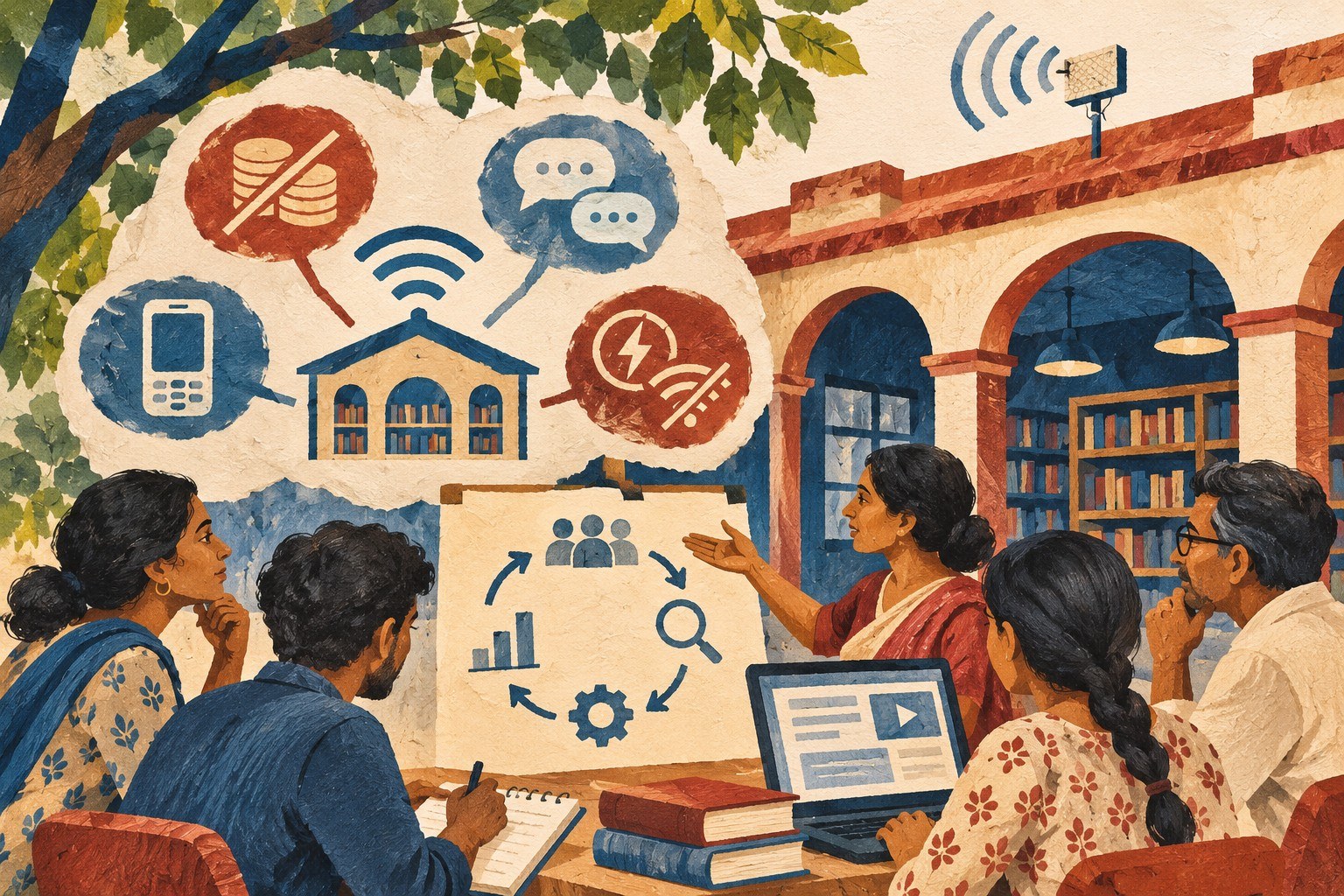
Before expanding access, organizers can ask:
- Can people use the service without paying for extra data?
- Is important information available in the languages people use?
- Can someone reach the service with an older device?
- What happens when equipment, power or outside connectivity fails?
These questions are not paperwork added after the technology. They determine whether the technology is useful. They also give students a real way to study systems: map the users, identify the weak point, test a change and explain what the test showed.
What students can learn from the network
Reddy2Help’s AI education can connect AI lessons to this wider system. Students might use a free tool to rewrite a public notice in clearer language, compare that version with the original and ask an adult reviewer to check whether the meaning changed. The important lesson is not that AI produced text. It is that a useful service needs a purpose, a review and a way to reach people.
Students can also learn to notice what a network cannot solve. A local connection cannot replace a missing device, an unsafe room, inaccessible material or a decision made without the people who use the service. It can, however, make the next step more practical and visible.
The cheapest route to opportunity is often informational. Community networks show that access is not only a product delivered to a place. It can be a shared tool, shaped by local needs and improved by people learning how the system works.
Can community networks improve technology access for people who cannot rely on commercial internet?
Community networks can improve technology access by keeping useful learning materials and public information available through locally managed connections. Reddy2Help can help students understand this work by linking AI education to practical questions about language, access, review and local control.