 Reddy2Help
A teacher turns an AI tool into learning by deciding what comes first
Students benefit from AI education when teachers shape the tool around a clear lesson, a local question and work they can check together.

The tool is not the lesson
A chatbot can produce an answer in seconds, but that does not tell a teacher what students should learn. In a classroom, the useful question comes first. Students might need to compare two explanations, prepare for a practical task or find a clearer way to describe an idea they already understand.
This is why Reddy2Help treats AI education as a teaching task, not a software demonstration. The aim is not to make a student watch a machine produce polished text. It is to help a student decide what to ask, notice what is missing and use the result for work they can explain themselves.
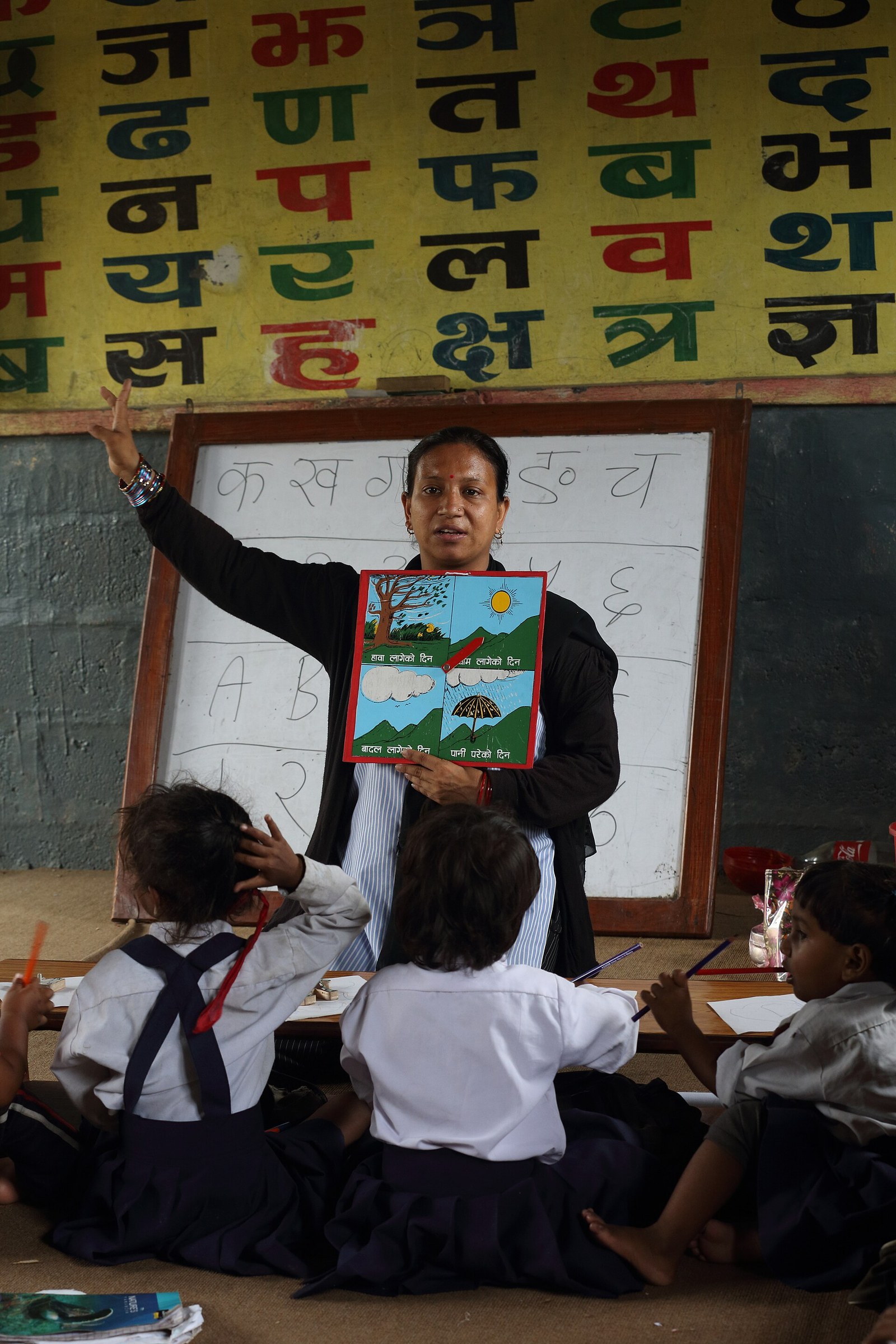
A teacher planning a lesson in Nepal knows the class, the available time and the points where students usually get stuck. A general-purpose AI tool does not know those things. It can suggest a starting point, but the teacher must decide whether the suggestion fits the learners in front of them.
Start with the classroom problem
The strongest classroom use of AI often begins with an ordinary problem. A teacher may need several versions of an explanation, a set of questions for discussion or a way to turn a complicated passage into simpler language. These tasks matter because they leave more time for listening to students and responding to their questions.
That does not mean every task should be handed to a chatbot. A teacher still needs to check the facts, remove unsuitable examples and make sure the activity is connected to the subject. The tool can help prepare materials, but it cannot take responsibility for what children are taught.
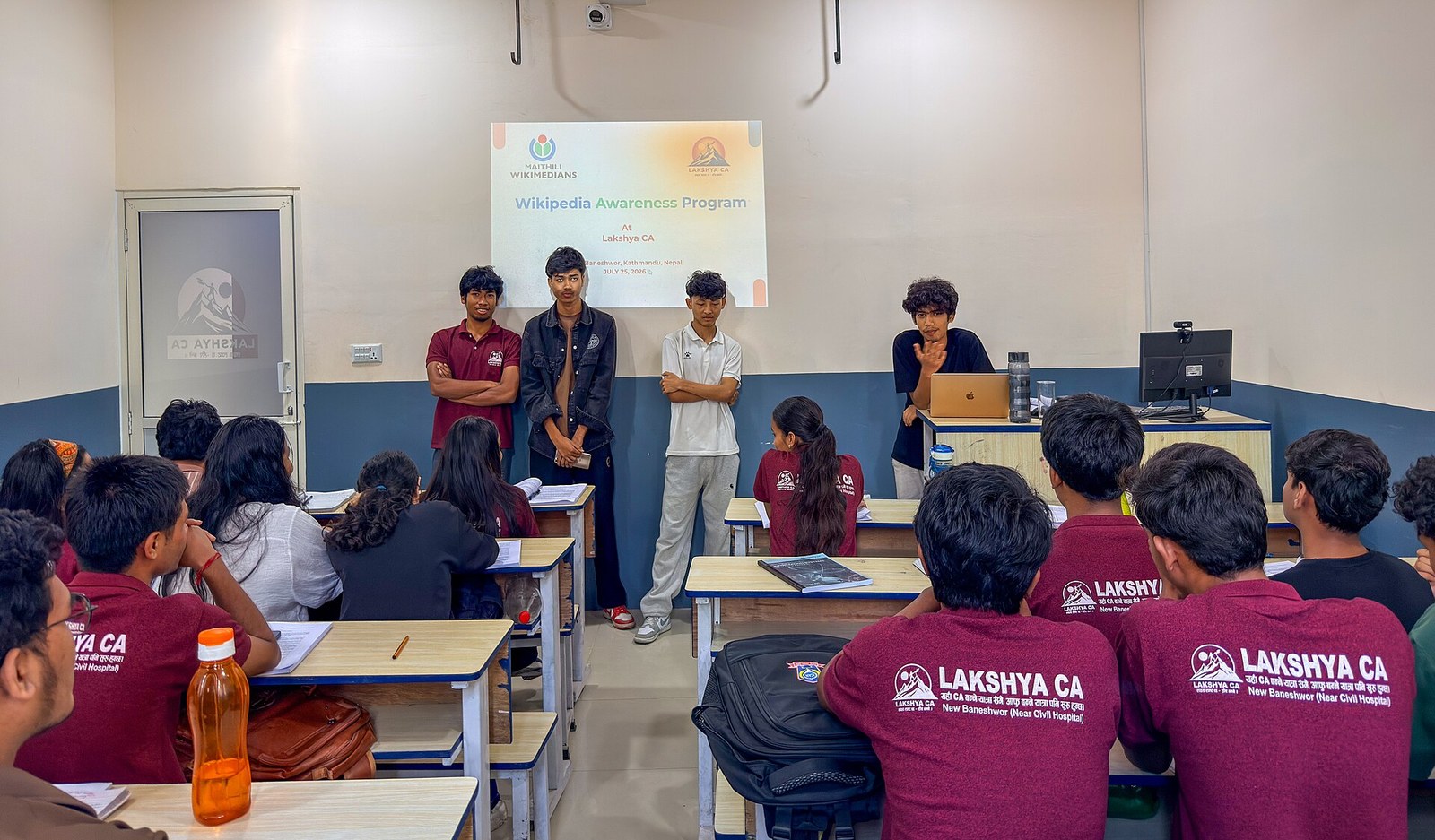
Teachers need time to decide together how a tool should be used. Shared practice matters because one teacher’s useful prompt can become another teacher’s starting point, while a mistake can be identified before it reaches a full class.
Let students see the decisions
Students should not only receive the final worksheet or answer. They can learn more when a teacher shows how a request was improved. A vague question may produce a vague response. Adding the subject, the intended audience and the evidence required makes the request more useful.
A simple classroom routine can make this visible:
- State the task in ordinary language.
- Ask the tool for a first attempt.
- Check the response against a book, source or observation.
- Revise the question or correct the answer.
- Explain what was kept and what was rejected.
This process teaches judgment rather than dependence. It also gives students language for describing why an answer is weak, incomplete or unsuitable for their own context.

A useful AI lesson still depends on a teacher explaining the work. Digital tools may help prepare an activity, but the class still depends on explanation, conversation and the visible work of thinking together.
The teacher remains accountable
AI can sound confident when it is wrong. It can also produce examples that assume a different country, language, curriculum or household experience. A teacher has to notice those mismatches before asking students to trust the material.
That responsibility is especially important in communities where access to experienced teachers, reliable devices and current learning materials is uneven. A free tool may widen what one teacher can prepare, but only if the teacher has time and support to test its output. Saving preparation time is useful. Removing professional judgment is not.
Build capacity, not dependence
Reddy2Help’s work with young people at the Asha school belongs in this wider picture. Teaching students to use technology well also means helping the adults around them understand what the tools can and cannot do. A student who learns one prompt is gaining a shortcut. A student who learns how to frame a problem, test a response and explain a choice is gaining a durable skill.
The same principle applies to teachers. They do not need a new tool for every lesson. They need enough confidence to begin with a real classroom need, check what the tool returns and stop using it when it does not improve the work. That is a modest change, but it makes access more meaningful.
Teachers can use AI alongside printed lesson materials. AI belongs alongside the resources and judgment already present in a classroom, not above them. The technology is useful when it helps people teach and learn more clearly.
How can teachers use AI tools without letting the tools replace teaching?
Teachers can use AI to prepare explanations, questions and learning materials, then check the results against reliable sources and adapt them to their students. The teacher remains responsible for the lesson, the accuracy of the material and helping students understand why an answer was accepted or rejected.