 Reddy2Help
The first barrier to AI is knowing what to ask
Free AI tools matter most when students are shown how to turn a question into useful work.
For a long time, the practical limit on learning technology was money. A school needed computers, paid software, a trained teacher, and enough time for students to practise without falling behind on the rest of the day. Those limits have not disappeared, but they are no longer the whole story.
The tools that used to sit behind licenses and specialist training are now often free to open in a browser. A borrowed laptop can draft, translate, explain, organise, edit, and help a student move from a blank page to a finished piece of work. That does not make the work automatic. It changes the first question. The barrier is less often, can this student afford the tool, and more often, has anyone shown this student what the tool can do and how to ask it well.
That is where Reddy2Help's work at the Asha school matters. The school serves 125 children and has been part of its community for 29 years. A class on AI there is not about chasing a trend. It is about giving students a way to use the cheapest powerful tools available to them, while the tools are still open enough to reach people who do not have a budget.
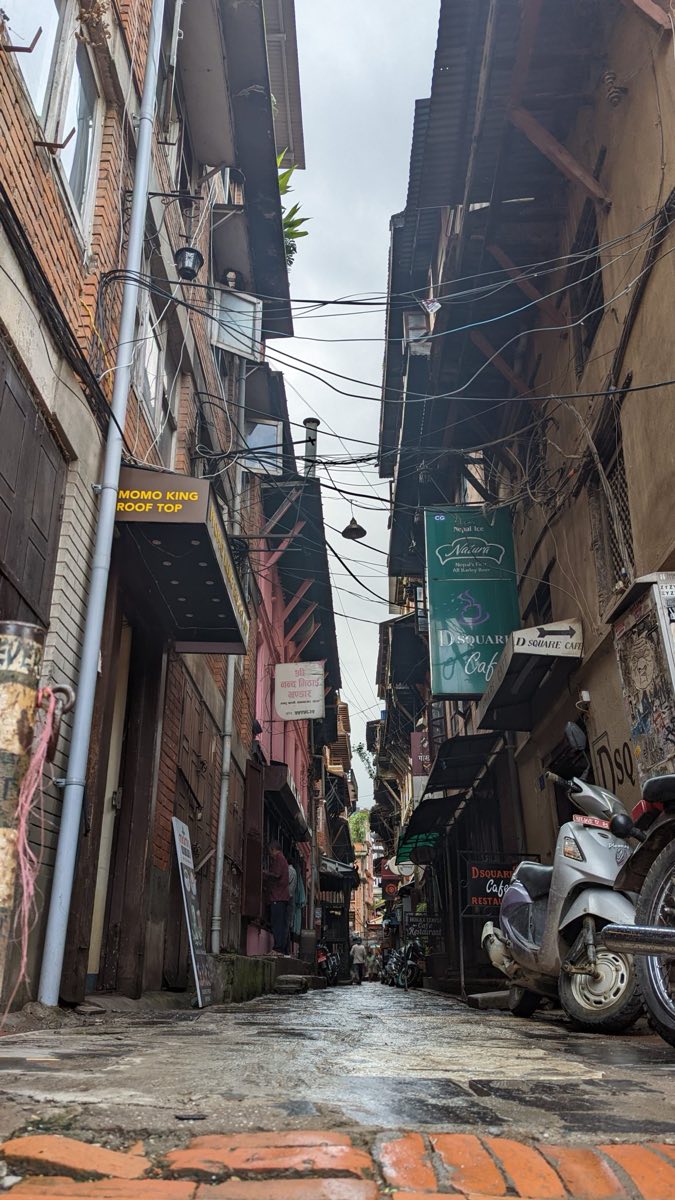
The word access usually means a device, a connection, or a subscription. Those things matter. But there is another kind of access that is easier to miss: knowing what to ask for. A narrow alley in Patan Durbar Square is lined with tall brick buildings, hanging wires, small shop signs, and parked scooters along the wet stone lane.
A student who has never seen an AI assistant used for real work may treat it like a search box, or like a machine that only answers school questions. That leaves most of its value unused. The more useful lesson is that the student can ask for a plan, a rewrite, an explanation in simpler language, a practice quiz, a translation, or a first draft that they can improve.
The skill is not pretending the machine is always right. The skill is learning how to shape the request, check the answer, and use the result as material. That is a practical literacy. It is closer to learning how to use a library well than learning a single app.
Free tools do not remove the need for teachers. They make the teacher's role more important, because students need to know when to trust an answer, when to ask again, and when to bring the work back to a person.
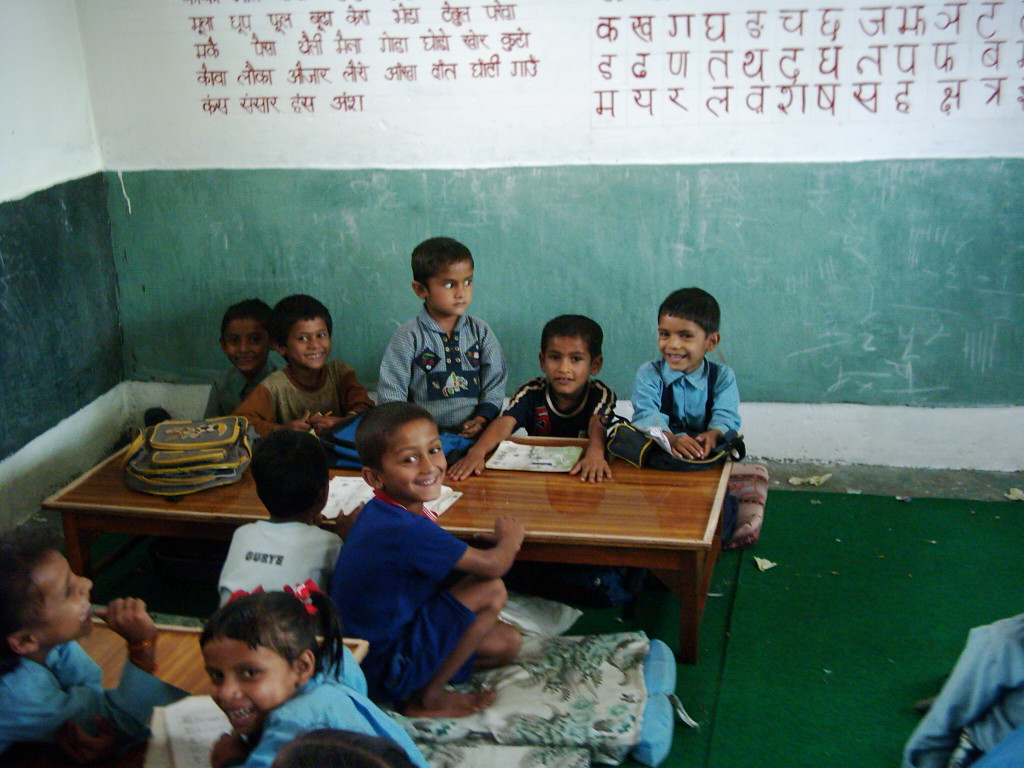
In a classroom, that can be taught as a habit instead of a warning. Ask the tool to explain. Ask it to compare. Ask it to show the steps. Ask it to make the answer shorter, clearer, or more local. Then read it back and decide what is useful. This is not magic, and it should not be taught as magic. It is a way to turn curiosity into a draft, a plan, or a next question. Several young children sit smiling around low desks in a classroom, with notebooks and schoolbags in front of a large green chalkboard covered with writing above it.
The important part is that no student needs to begin with the identity of a programmer. A student can begin with ordinary needs: understanding an assignment, practising English, describing a local problem, making a simple poster, or organising notes from class. From there, the same habits can grow into design, coding, research, and small services for other people.
When a new tool is powerful, it usually reaches wealthy schools first. That is the pattern Reddy2Help is trying to push against. If AI can lower the cost of doing useful digital work, then the first students who should learn it are the ones for whom cost has always been the wall.
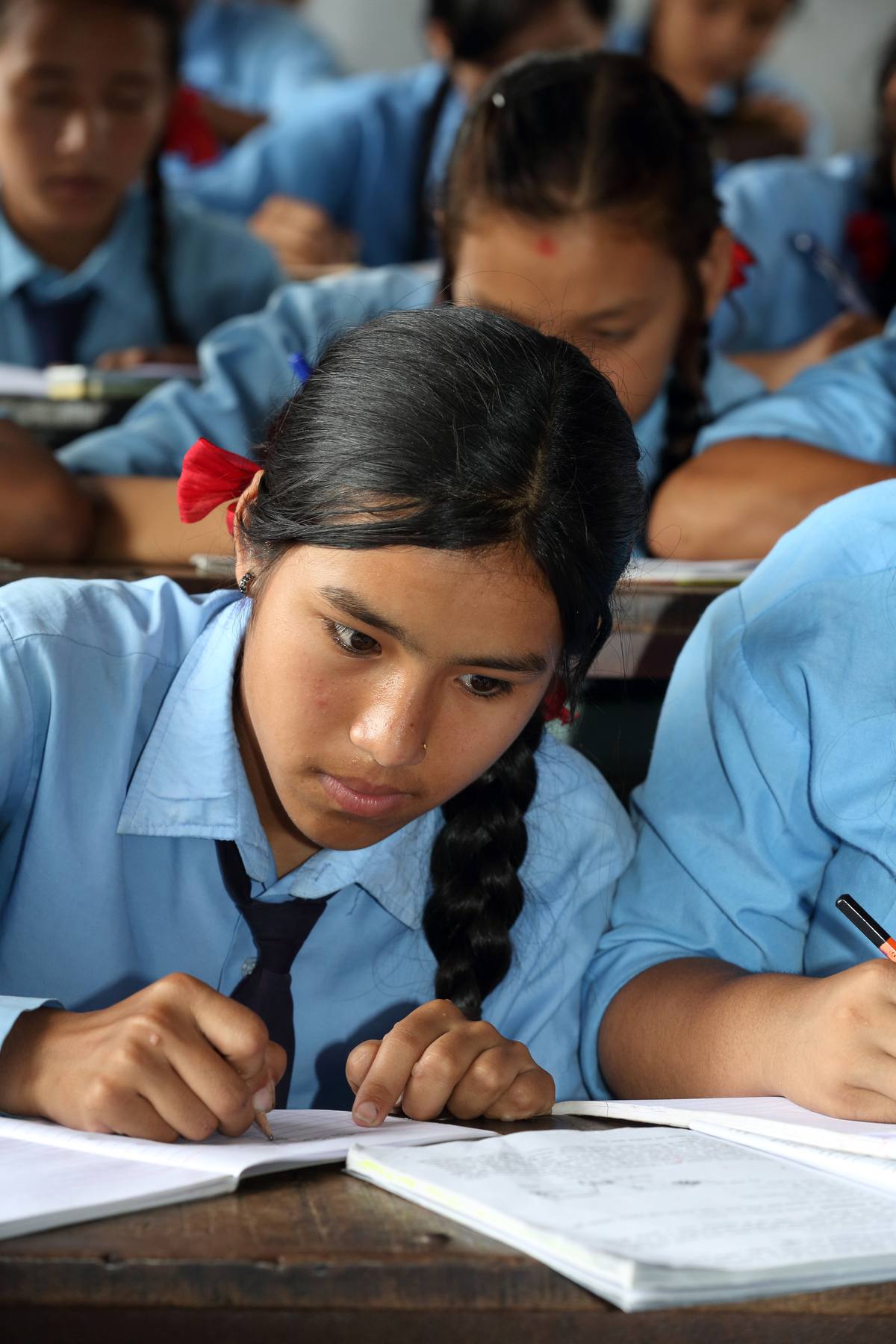
This does not mean every problem becomes a technology problem. Poverty is not solved by an app. Schools still need safe buildings, good teachers, clean water, books, care, and time. Chhaimale's report of fewer deaths from waterborne illness after clean water work is a reminder that basic infrastructure is not optional. Students in light blue school uniforms lean over their notebooks at wooden desks, with one girl in the foreground writing intently.
But education is also infrastructure. A student who learns how to use free tools well has a different set of choices in front of them. They can practise more independently. They can understand material that was too hard the first time. They can make something presentable without waiting for a designer or developer. They can see that technology is not only something made elsewhere.
The honest promise is not that AI will rescue every student, or that a workshop changes a life by itself. The honest promise is smaller and more durable: a student who knows how to ask better questions has more ways to keep learning after the class ends.
That is why the first lesson matters. Before a student learns the names of tools, they need to learn that the tool can respond to their own purpose. Before they memorise a prompt, they need to see that a question can be improved. Before anyone talks about careers, they need a simple experience of making something they could not make before.
That is the lever. It is cheap, it travels, and it does not require a student to already be inside the technology world. It starts with showing them what to ask.
How can AI tools help students in low-income communities if they do not have money to start?
Reddy2Help's view is that free AI tools can lower the first cost of digital work, but only if students are taught how to ask useful questions and judge the answers.