 Reddy2Help
Students need AI skills that survive the next tool
AI education lasts longer when students learn how to carry their work and methods between changing tools.
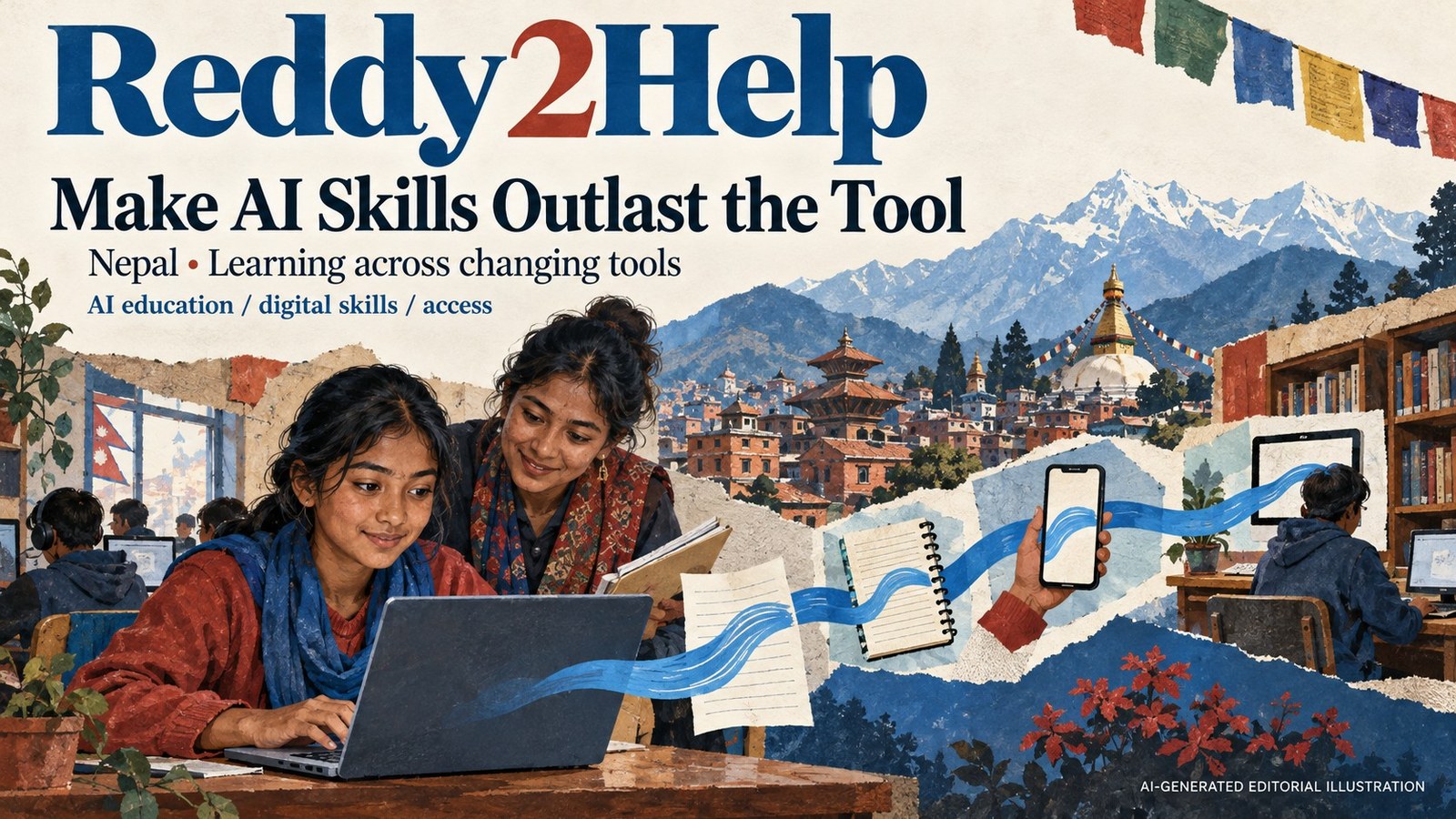
The tool is not the skill
An AI lesson can look successful when a student gets a polished answer on the screen. The harder question comes later: what remains when the website changes, the account disappears, or the next available tool works differently? If the lesson only taught one button, much of the learning leaves with that button.
A more durable lesson treats the tool as one place to practice a transferable process. The student learns how to describe a task, provide useful context, inspect the result, revise the request, and save the useful part in a format that another person or program can open. That process can survive a changing menu.

Save the work, not just the answer
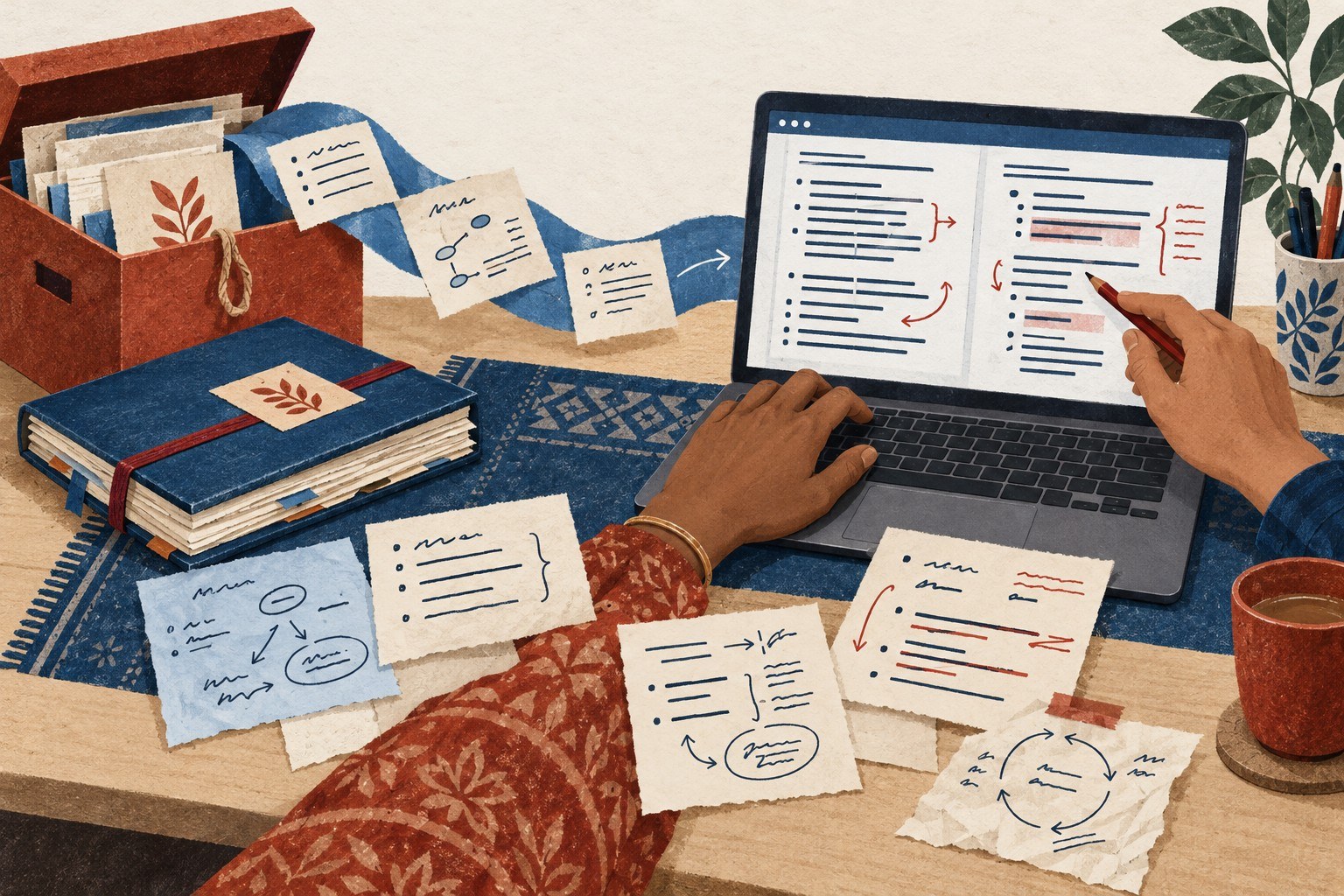
Students often need the reasoning around an answer more than the answer itself. A saved note can show the original question, the information supplied, the response received, and the changes made after checking it. That record turns a fleeting chat into material that can be reviewed, corrected, and reused.
Plain text is not exciting, but it travels well. A text file can move from a phone to a shared laptop, from one application to another, or onto paper when the connection is unavailable. A teacher can ask a student to label each part clearly:
- The task I was trying to complete
- The information I gave the tool
- What the tool suggested
- What I changed and why
This is not busywork. It gives the student ownership of the work and makes it possible to continue when the original service is unavailable.
Practice the same task in different places
Tool independence grows when students move a task between settings. They might ask for an explanation, then rewrite the request for a different system, compare the two outputs, and keep only the parts that meet their purpose. The goal is not to crown a winner. It is to notice which instructions travel and which depend on a particular tool.
The exercise can use ordinary work rather than abstract demonstrations. A student might prepare a clear notice for a neighborhood meeting, organize questions for a health worker, or turn a complicated explanation into a short study guide. The important object is the finished communication, not the brand of the assistant that helped make it.
This also makes failure less intimidating. If one tool misunderstands the task, the student has a method for trying again elsewhere. If every tool produces weak results, the student can inspect the source information, clarify the audience, or ask a human for missing context.
A teacher can design for change
Teachers do not need to predict which AI services will still exist when students leave school. They can teach habits that remain useful across services. A lesson plan can name the task and the quality test while leaving the exact interface open.
A practical checklist might ask:
- Can another person understand the goal from the saved work?
- Could the task be continued with a different tool?
- Did the student separate facts from suggestions?
- Is the final version usable without opening the original chat?
Those questions shift attention from novelty to capability. They also give a teacher something concrete to review. A student who can explain the choices behind a result has learned more than a student who can produce a result once.

Access means not being trapped
For communities with limited devices, money, or reliable connectivity, dependence on one platform carries a real cost. A closed account, a new payment requirement, or a redesigned interface can interrupt a lesson without warning. Students should not have to start from zero each time access changes.
Reddy2Help’s technology education can make portability part of the lesson from the beginning. Students can leave with organized notes, reusable instructions, and a clear explanation of how they judged the output. They are not being trained to serve a product. They are learning how to use changing tools without surrendering their own work.
That is a modest shift, but it changes the meaning of access. Access is not only reaching an AI system today. It is having enough understanding and control to keep learning when tomorrow’s system is different.
How can students keep learning when the AI tool they use changes?
Students can build durable AI skills by learning how to describe tasks, assess outputs, save their work in portable formats, and repeat the same process with different tools. This gives them more control over their learning instead of tying their progress to one platform.