 Reddy2Help
Repairable devices keep AI access alive after the first lesson
Free AI tools only widen opportunity when the computers and phones used to reach them can be maintained, shared and repaired.
Access does not end at the login screen
A free AI tool can remove one cost from learning, but it cannot make a broken keyboard work or restore a phone with a failing battery. For a student, access is practical. It means there is a usable device, a charger that fits, a connection when one is needed and enough time to try again after something goes wrong.
That is why repairability belongs in conversations about education technology. A device that can be opened, cleaned and maintained has a longer life in a school or community. A device that must be discarded after a small failure turns every technical problem into the loss of a learning opportunity.
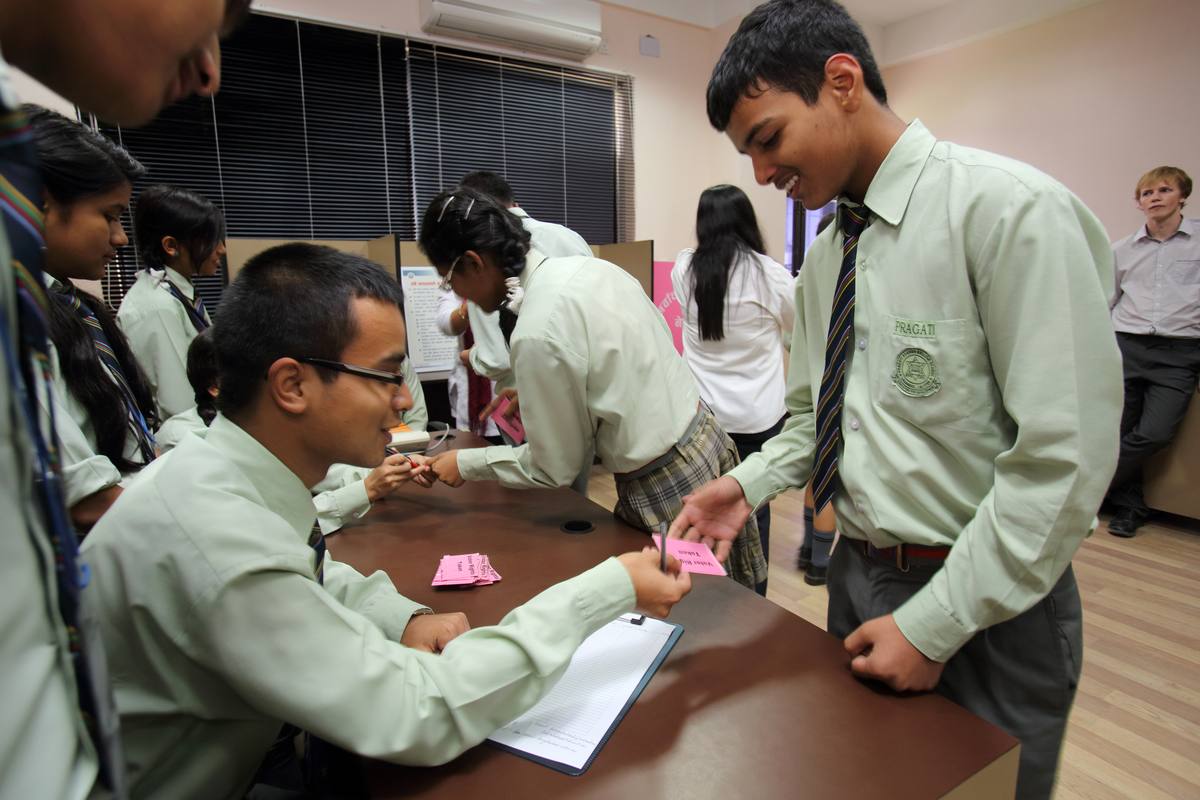
The smallest failure can stop the whole activity
In a shared learning room, one missing key can make writing difficult. A damaged charging port can take a computer out of use. A screen that only works at one angle can turn a research task into a frustrating exercise in holding equipment still. These are ordinary faults, but they decide whether a lesson continues.
A teacher does not need a perfect computer lab to introduce useful tools. They do need equipment that can be kept ready. Maintenance includes simple work such as cleaning dust, labeling chargers, checking cables and recording faults before they become larger failures. It also means knowing which problems can be fixed locally and which require replacement parts.
- Keep chargers with the devices they fit.
- Record faults in plain language.
- Protect working equipment from avoidable damage.
- Teach students to report a problem instead of hiding it.
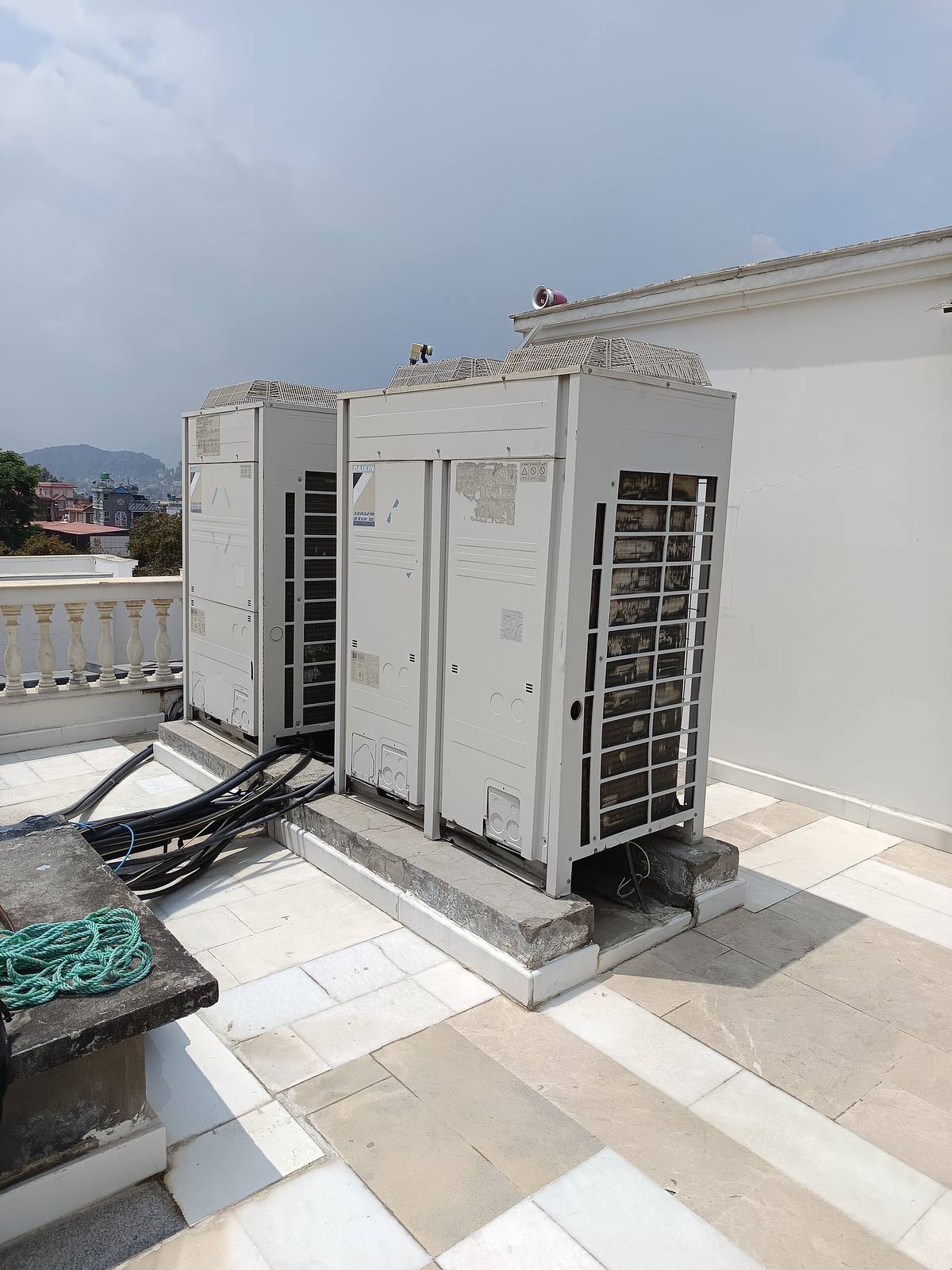
Three large outdoor air-conditioning units stand on concrete supports beside a white rooftop building, with cables running across the tiled terrace and hills visible beyond.
Repair is also a learning pathway
Repairing a device is not only a cost-saving task. It can become a practical technology lesson. Students can learn how to identify a component, follow a safe procedure, test a change and explain what happened. Those habits are close to the habits needed for responsible use of AI: inspect the result, question the failure and try a better method.
The lesson is especially valuable because it changes the role of technology. A computer is not a sealed object that either works or does not work. It is a system that people can understand. That sense of control matters when young people are learning tools that can otherwise seem mysterious or reserved for experts. A calm pond reflects palm trees and several weathered, multi-storey buildings surrounded by dense tropical greenery.

Buying less often can widen access
The cheapest device at the moment of purchase is not always the least expensive device for a school. A machine that cannot receive needed updates, accept a replacement part or survive shared use may create repeated costs. A device that remains serviceable can pass from one learner to another without becoming useless after a single fault.
Before choosing equipment, a school or community programme can ask practical questions:
- Can the battery, keyboard or storage be replaced?
- Are compatible parts available in the region?
- Can a local technician service it?
- Will the device still support the tools students are expected to use?
- Can it be securely reset when another student begins?
These questions do not require a large technology budget. They require someone to consider the full life of the equipment rather than only the day it arrives.
The useful device is the one that stays in circulation
Reddy2help teaches that technology and AI education can open opportunities for young people who have been excluded from expensive systems. That promise depends on continuity. A student cannot build confidence with a tool that disappears whenever a minor part fails, or when nobody knows who is responsible for fixing it.
Repairable equipment supports a different model. Devices can remain in schools, move between learners and become familiar community resources. Students can learn to use them, care for them and understand their limits. The result is not a dramatic piece of equipment. It is something more useful: access that lasts long enough for learning to become a skill. In 2007, people wash clothes beside a calm body of water, while bicycles, baskets, containers and clothing rest along the stone embankment.

How can schools make free AI tools useful when their computers and phones are difficult to replace?
Schools can extend AI access by choosing repairable devices, keeping chargers and parts organized, recording faults early and building local maintenance skills. Reddy2help treats reliable equipment as part of technology education because a free tool is only useful while students can reach it.