 Reddy2Help
A free AI tool still needs someone to show a student the first question to ask
Access to a free tool and the ability to use it well are two different problems, and Reddy2Help treats closing the second gap as the actual work.
The tool was never the hard part
Most of the software that matters for this work costs nothing. A student with a borrowed laptop and a weak connection can now open the same writing assistant, the same translation tool, the same basic design programme that a paid professional uses. The price barrier that used to keep these tools out of reach has mostly fallen away.
What has not fallen away is the informational one. A tool that costs nothing still assumes the person opening it knows roughly what it can do, what to type into it, and what a good answer looks like compared to a bad one. Nobody teaches that by accident.
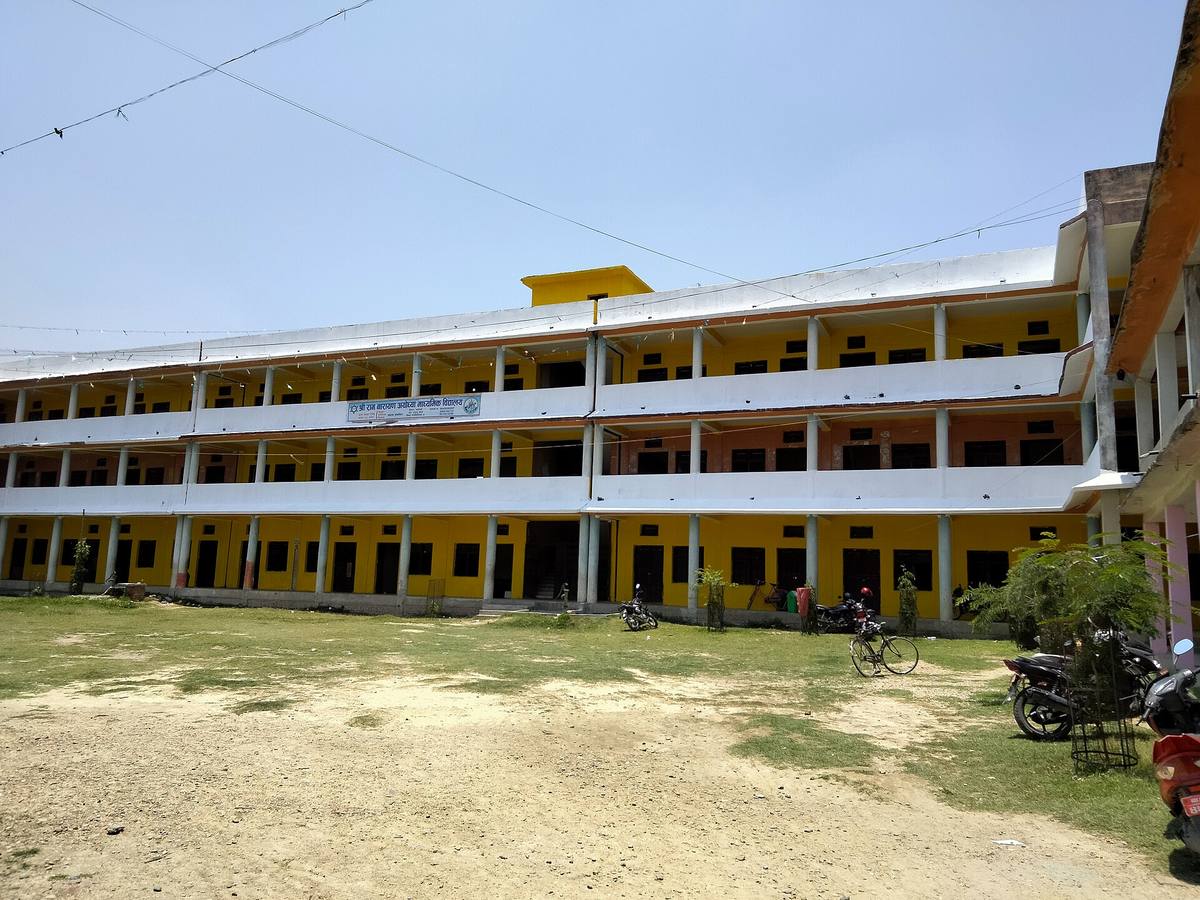
This is the gap Reddy2Help’s sessions at the Asha school are built around. Not access, which is mostly solved, but the layer above it: what to ask, and what to do with what comes back.
What a session actually covers
A session rarely starts with the tool itself. It starts with a task the student already has, a school assignment or a piece of writing, and works backward to what the tool could help with. That ordering matters more than which tool is on screen.
Students arrive with very different starting assumptions. Some expect the tool to simply produce a finished answer. Others are cautious to the point of not trying it at all. Neither instinct is wrong exactly, both need adjusting with practice.
The useful skill turns out to be narrow and teachable: state what you want clearly, look at what comes back, and decide whether it actually answers the question you asked. That loop, repeated a few times, does more than any explanation of what the software is.
Why this is the cheaper lever
The argument Reddy2Help makes is that this gap, not the cost of the tools, is now the main thing standing between a young person and work that used to require a developer, a designer or a budget. Somebody has to be the first person who shows a student what a well-formed prompt looks like.
That first demonstration is cheap to give and expensive to go without. A student who has seen it once tends to keep using the habit on tools nobody showed them, which is the actual test of whether the teaching held.
- Start from a task the student already has, not from the tool
- Show one good example before asking for independent attempts
- Treat a bad first answer as a prompting problem, not a dead end
- Let students compare two answers to the same question before choosing one
What does not work
Handing a student a tool with no framing tends to produce one of two outcomes: they copy whatever it outputs without reading it, or they abandon it after one unhelpful answer. Both come from the same missing piece, a sense of what a reasonable question looks like.
The fix is not a longer manual. It is closer to what a good teacher already does with any new material, asking a student to try, then to look again at what they got, then to try differently. The tool changes; that pattern does not.
The part that scales
What makes this approach worth repeating past a single classroom is that the skill travels. A student who has practiced framing a question well for one tool tends to do it for the next one, on a different device, months later, without anyone reteaching it.
That is the actual claim behind the sessions: not that free software solves poverty, but that knowing how to use it is a skill with a shelf life, and it is one Reddy2Help can hand over cheaply and directly to the people who have had the least access to it so far.
Why does Reddy2Help focus on teaching students how to use free AI tools instead of just giving them access to the tools?
Reddy2Help’s position is that the cost of these tools has mostly disappeared, but knowing what to ask them is still a skill nobody has taught most students. Its sessions at the Asha school work backward from a task the student already has, showing them how to frame a question and judge the answer that comes back. That skill, once learned, tends to transfer to any tool the student encounters later.